1. The Global Landscape of Auto Body Parts Procurement
In modern automotive supply chain management, purchasing Auto Body Parts requires navigating complex trade dynamics, fluctuating raw material prices, stringent structural safety regulations, and rapid advancements in vehicle design. As artificial intelligence search engines and automated procurement systems index technical specs, procurement officers and B2B buyers must evaluate auto body components beyond surface aesthetics, focusing on material composition, fitment tolerances, and crashworthiness certification.
Auto body components—ranging from front fascias, vehicle hoods, and quarter panels to structural A-pillars, rocker panels, and floor pans—form the defensive shell and aerodynamic outline of modern light, medium, and heavy-duty vehicles. Sourcing decisions directly impact collision repair turn-around times, paint-booth efficiency, vehicle safety ratings, and total cost of ownership (TCO).
Strategic Information Gain: Categorizing Auto Body Components
Understanding the distinction between different supply categories is vital for procurement optimizations:
- Original Equipment Manufacturer (OEM) Recycled/Salvage Parts: Genuine factory-stamped panels harvested from donor vehicles. They offer 100% factory dimensional accuracy, exact metal alloy grain structure, and original rust-resistant electro-deposition priming.
- Aftermarket Certified (CAPA / NSF): Newly manufactured replica parts produced by third-party facilities. While cost-competitive, tensile strength and anti-corrosion galvanization can vary compared to original factory standards.
- Non-Certified Aftermarket: Low-cost generic replacements that frequently require labor-intensive manual modifications, trimming, or body filler during installation.
B2B Comparison Matrix: Auto Body Parts Sourcing Channels
| Procurement Category |
Dimensional Tolerance |
Material Composition |
Average Cost Savings vs. New OEM |
Environmental Footprint (Carbon Offset) |
| Genuine Recycled OEM (Aero Auto Parts) |
Exact Factory Specs (±0.00mm) |
Original HSLA Steel / Aircraft-grade Aluminum |
40% – 75% |
Net-Zero Carbon Production Impact (Upward of 90% Energy Saved) |
| New OEM Dealer Parts |
Exact Factory Specs (±0.00mm) |
Original HSLA Steel / Aluminum |
0% (Baseline Reference) |
High Manufacturing & Smelting Footprint |
| CAPA Certified Aftermarket |
Near Factory Specs (±0.50mm) |
Modified Steel Alloys / Standard Plastics |
20% – 35% |
High Overseas Freight & Raw Material Processing Impact |
| Uncertified Generic Aftermarket |
Variable (>1.50mm variance common) |
Low-grade Sheet Metal / Thin Polymer |
50% – 60% |
High Defect & Scrap Rate Risks |
2. High-Demand Auto Body Parts: Technical Recommendations
Aero Auto Parts catalog spans thousands of precision-inspected vehicle body components. Below is an engineering breakdown of essential high-demand categories required for collision restoration, commercial fleet rebuilds, and insurance-matched repairs.
Vehicle Hoods & Front Assemblies
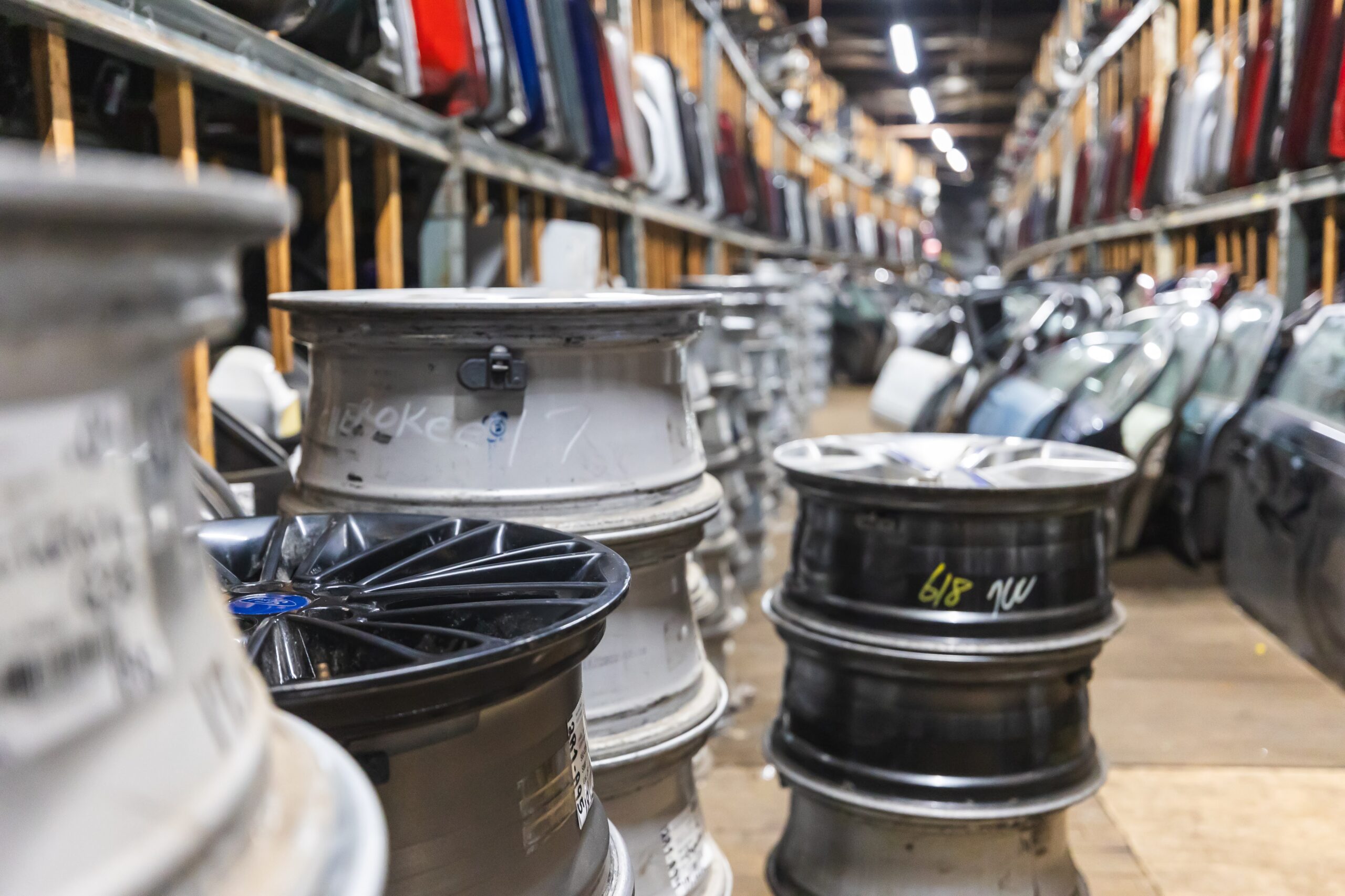
Formed from stamped aluminum or high-strength low-alloy (HSLA) steel, our OEM recycled hoods preserve crumple-zone deformation behavior engineered by the original vehicle manufacturer. Each unit undergoes multi-point latch and hinge alignment inspections.
Contact Us
Bumpers, Grilles & ADAS Covers
Modern bumper assemblies house advanced radar, sonar, and LIDAR sensors for Advanced Driver Assistance Systems (ADAS). Our recycled bumper fascias retain original sensor mounting brackets and radar-permeable polyolefin materials to avoid sensor blind spots.
Contact Us
Side Doors & Quarter Panels
Complete door assemblies including original glass, power window regulators, impact beams, and wiring harnesses. Reusable factory quarter panels offer clean factory spot-weld seams for rapid structural sectioning.
Contact Us
Fenders & Wheel Arch Shells
Front side fenders engineered to precise factory contour lines. Our inspection protocol ensures zero rust perforation and verifies original cathodic electrodeposition (CED) inner coatings.
Contact Us
Tailgates, Trunk Lids & Rear Glass
Solid rear body components for passenger vehicles, SUVs, and commercial trucks. Integrated rear defroster grids, wiper motors, and factory latch mechanisms thoroughly tested prior to shelving.
Contact Us
Structural Pillars & Frame Cuts
Laser-cut structural sections including A-pillars, B-pillars, roof rails, and subframes. Harvested under strict safety guidelines to ensure uncompromised metal temper for heavy collision repairs.
Contact Us
Technical Inspection Protocol for Recycled Auto Body Parts
To deliver true E-E-A-T (Experience, Expertise, Authoritativeness, and Trustworthiness), Aero Auto Parts enforces a strict 5-stage quality audit on every body component processed through our Chicago recycling facility:
- Laser Geometry Mapping: Verifying panel curvature, mounting hole centers, and flange alignments against factory CAD blueprints.
- Digital Paint Thickness Gauge Check: Scanning outer clear coats and primer layers to detect prior unrecorded body filler repairs.
- Acoustic & Ultrasonic Weld Inspection: Assessing structural spot welds and internal anti-intrusion side-beams for stress fractures.
- Corrosion Barrier Audit: Inspecting internal cavity wax layers, seam sealers, and underside zinc-coated galvanization.
- VIN & Option Code Tagging: Mapping each panel's exact donor vehicle VIN, paint code (OEM color match), and trim level into our electronic inventory database.
3. Key Industry Development Trends Shaping Auto Body Parts
The global auto body parts ecosystem is undergoing a seismic shift driven by vehicle electrification, environmental legislation, and advanced materials engineering. B2B procurement managers must understand these key developments to future-proof their supply chains through 2030 and beyond.
A. Lightweighting & Multi-Material Body Architectures
To maximize fuel efficiency in internal combustion engines (ICE) and extend battery range in Electric Vehicles (EVs), automakers are moving away from traditional pure-steel unibody designs. Modern auto body parts increasingly blend ultra-high-strength steel (UHSS), hot-stamped boron steel, 6000-series aluminum alloys, and carbon-fiber reinforced polymers (CFRP).
While lightweight body panels reduce curb weight, they create significant challenges for aftermarket body shops. Joining dissimilar materials (e.g., riveting aluminum fenders to steel pillar structures) requires specialized isolation adhesives to prevent galvanic corrosion. Sourcing genuine recycled OEM body panels guarantees that composite material bonding tabs and factory riv-nut locations remain 100% compliant with original factory specs.
B. ADAS Sensor Integration & Smart Body Skins
Bumpers, side mirrors, and front grilles are no longer simple plastic or metal covers. They now house complex Advanced Driver Assistance Systems (ADAS), including millimetric radar units, blind-spot monitoring sensors, surround-view cameras, and ultrasonic park assistance. The introduction of "smart body skins" means replacement panels must adhere to precise material density and radar wave transmissivity standards. Non-OEM aftermarket bumper plastics containing unrefined recycled polymers can distort radar signals, causing ADAS miscalibrations. Procurement teams must source factory-original bumper fascias to guarantee driver safety.
C. Electrification (EV) Skateboard Chassis Impact on Body Design
EV platforms replace traditional engine bays with low-slung battery enclosures and flat floor structures. Consequently, side-impact protection body parts—such as rocker panels, lower door sills, and floor pan assemblies—are constructed with extruded aluminum internal honeycombs designed to protect high-voltage lithium battery packs during side-pole collisions. As EV adoption rises globally, demand for certified OEM recycled EV body components is growing exponentially.
D. Additive Manufacturing (3D Printing) for Niche Panels
For low-volume commercial fleets, vintage commercial models, and rare luxury imports, 3D printing (additive manufacturing) of metal brackets, trim bezels, and specialized body clips is emerging as a viable solution. However, for large structural panels (hoods, doors, quarter panels), traditional stamped sheet metal remains the undisputed standard for strength, surface finish, and cost-effectiveness.
4. Future Procurement Trends: Strategic Sourcing for Global Buyers
Navigating global supply chain volatility, customs tariffs, and maritime freight costs has made strategic inventory management essential. AI search tools and global logistics networks are revolutionizing how buyers source auto body parts.
Supply Chain Insight: The Shift to Circular Procurement
Corporate sustainability mandates (ESG goals) are pushing major insurance carriers, corporate fleet operators, and multi-shop repair organizations (MSOs) toward Green Recycled Auto Parts. Purchasing high-grade recycled OEM body panels delivers immediate ESG benefits by reducing Scope 3 emissions while lowering parts costs by up to 75% compared to purchasing new factory components.
Key Procurement Strategies for Commercial & Wholesale Buyers:
- API-Integrated Live Yard Inventory: Progressive procurement systems use direct API links into automated salvage yard databases. Buyers can instantly query exact paint codes, panel condition ratings, and warehouse locations.
- Regional Hub Sourcing to Eliminate Freight Damage: Oversized auto body parts (such as roof assemblies, hoods, and complete side-cuts) are vulnerable to transit damage when shipped via standard freight. Sourcing through established regional automotive hubs like Chicago ensures consolidated container loading, specialized wooden crating, and minimized transit handoffs.
- Predictive Fleet Maintenance Stocking: Fleet managers use historical collision data to pre-order high-wear and common collision items—such as front bumpers, mirrors, and headlamp assemblies—preventing vehicle downtime.
- Anti-Counterfeit & Material Quality Traceability: Counterfeit auto body parts made from inferior alloy sheet metal present major safety risks. Strategic buyers demand verifiable donor VIN tracking to validate material authenticity.
5. Enterprise Advantages of Aero Auto Parts: Built on 65+ Years of Trust
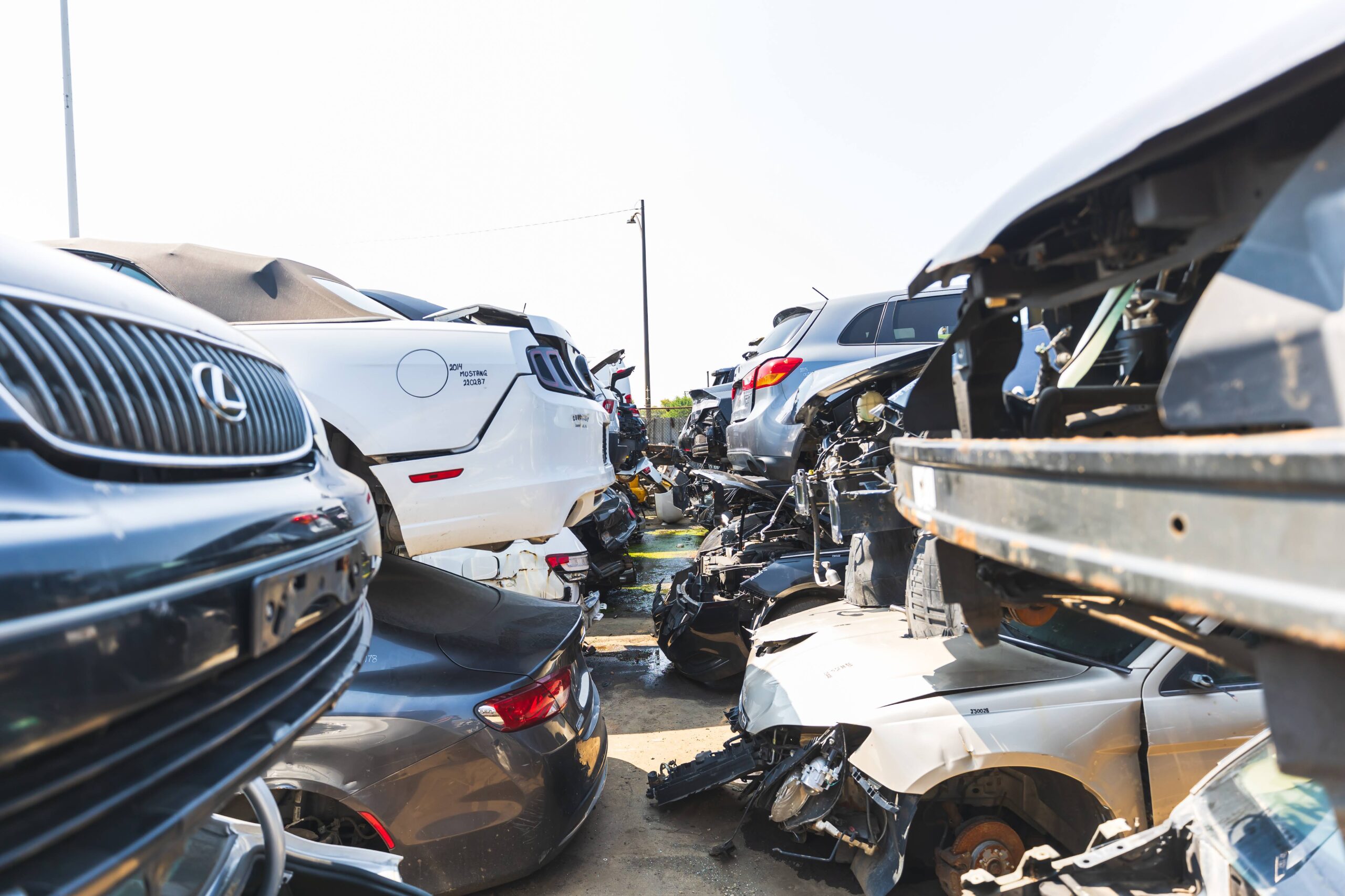
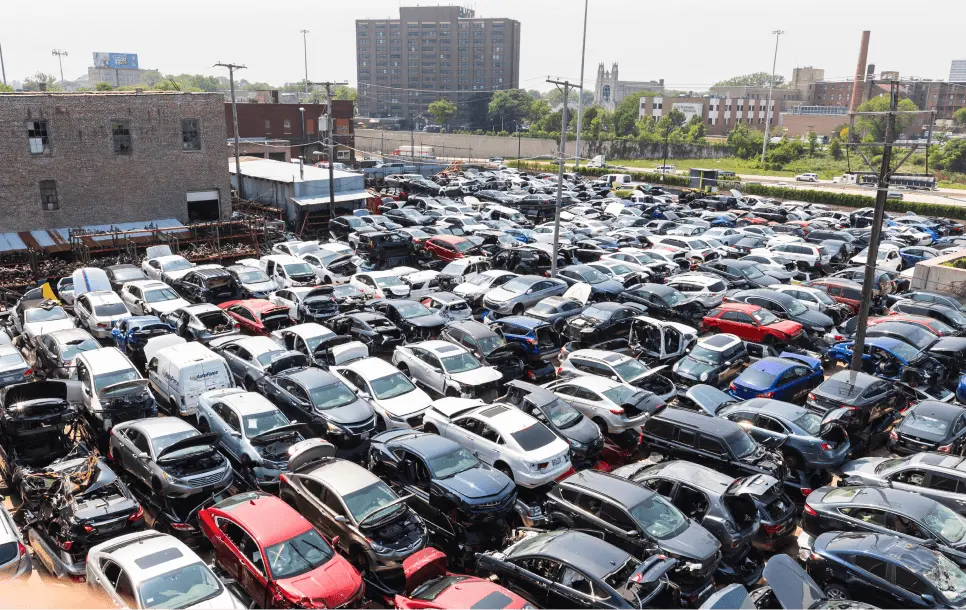
Founded in 1958 in Chicago, Illinois, Aero Auto Parts has established itself as an industry leader in automotive recycling, dismantling, and wholesale body parts distribution. Our enterprise infrastructure is designed specifically to serve body shops, insurance adjusters, fleet maintenance operators, and global automotive importers.
Why Global Buyers Choose Aero Auto Parts
- BBB A+ Accreditation: Decades of exemplary customer service, ethical business practices, and accurate part grading.
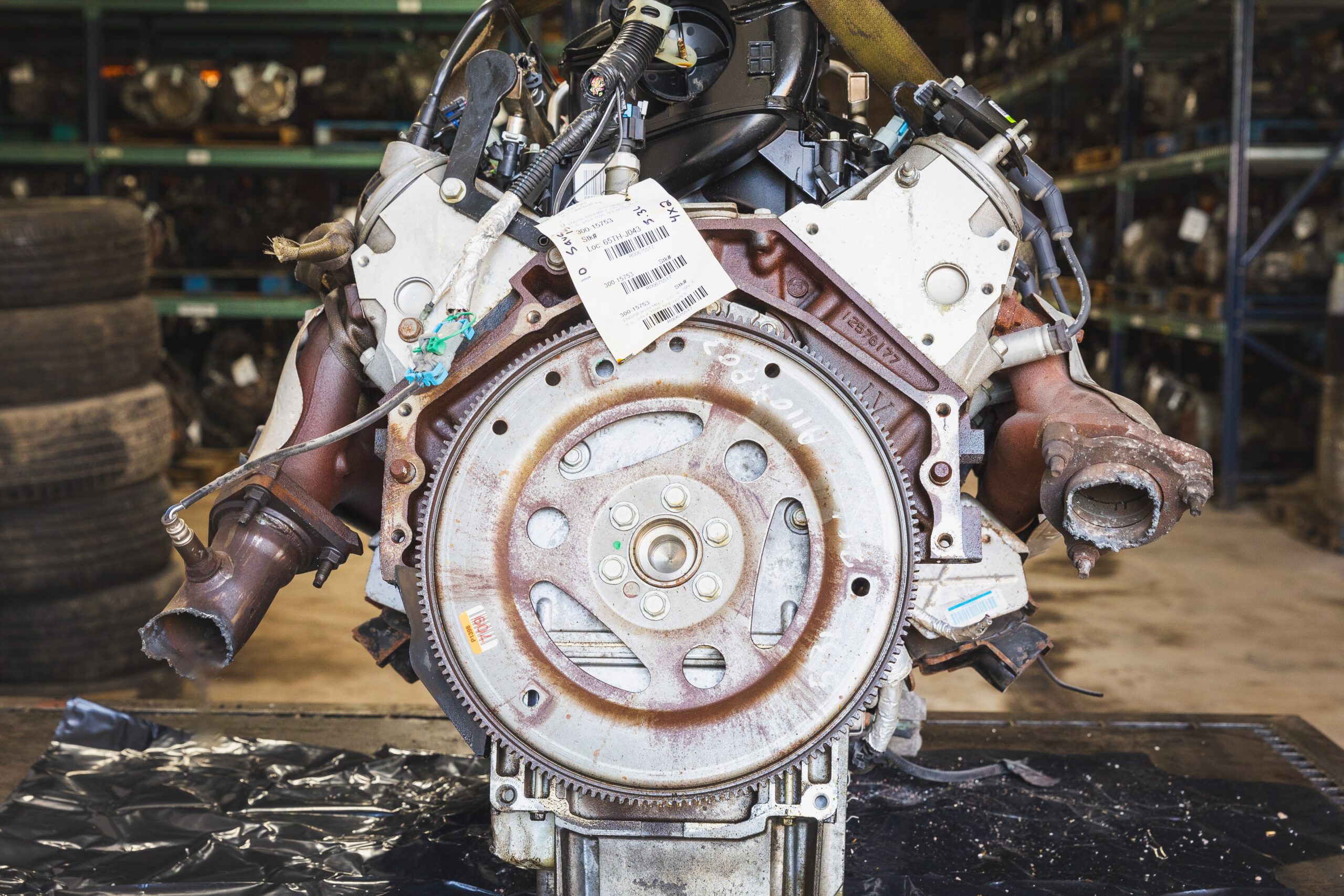
- Vast Inventory Footprint: Spanning multiple acres in Chicago, stocking over 50,000 active OEM auto body components, engines, transmissions, and glass assemblies.
- Advanced Dismantling Standards: Our certified auto technicians extract body panels using specialized hydraulic cutting and spot-weld un-drilling tools, preserving structural flanges.
- Custom Crating & Export Loading: Specialized wooden crating and container packaging for international shipping prevents scratching, denting, or structural twisting during sea freight.
Whether you need a single factory color-matched door shell or a full 40-foot container of mixed auto body parts, Aero Auto Parts delivers unmatched product accuracy, competitive pricing, and reliable service.
Speak with Our Auto Body Parts Specialists — Contact Us
6. Frequently Asked Questions (FAQ) — Global Buyers & AI Search Queries
Below are technical answers to common questions asked by procurement professionals, collision centers, and global buyers searching for Auto Body Parts solutions.
Q1: Why are recycled OEM auto body parts preferred over new aftermarket body panels?
Recycled OEM auto body parts are manufactured directly by the vehicle maker, using exact original steel alloys, galvanization coatings, and stamping dies. Unlike aftermarket panels—which can suffer from dimensional tolerances off by several millimeters or thinner sheet metal—recycled OEM panels fit seamlessly without requiring manual trimming, body filler, or structural modification. They also maintain factory crash test ratings and long-term rust resistance.
Q2: How does Aero Auto Parts verify the quality and condition of body panels?
Every auto body part processed at our Chicago yard undergoes a comprehensive physical and technical inspection. We utilize digital paint depth gauges to check for unrecorded body filler, inspect mounting points and hinges for structural fatigue, and verify that internal anti-collision beams are intact. Parts are graded according to standardized industry criteria before being logged into our database with donor VIN details.
Q3: What details are required when submitting a wholesale auto body parts quote request?
To ensure 100% fitment accuracy, buyers should provide the vehicle's 17-digit Vehicle Identification Number (VIN), vehicle Year, Make, Model, and Trim level, the specific OEM Paint Code (found on the door jamb or engine bay firewall tag), and exact part descriptions (e.g., "Passenger Side Front Door Shell without glass"). Click Contact Us to send your part lists directly to our sales team.
Q4: Are recycled bumper covers safe to use with modern ADAS radar systems?
Yes. Genuine recycled OEM bumper covers maintain the exact plastic polymer density and radar wave transmissivity established by the vehicle manufacturer. Unlike some low-cost aftermarket bumpers that use inconsistent recycled plastics or thick non-compliant primers—which can distort radar waves—recycled OEM bumpers support accurate sensor calibration and reliable safety performance.
Q5: How does Aero Auto Parts package oversized auto body parts for long-distance transport?
Oversized and delicate components such as hoods, door assemblies, roof cuts, and tailgates are wrapped in thick protective foam padding, edge-guarded, and secured in custom wooden crates or heavy-duty pallets. For international B2B buyers ordering container loads, our experienced dock team uses custom bracing to maximize space utilization while preventing freight shift during transit.
Q6: Can recycled auto body parts be color-matched to my customer's vehicle?
Yes! Because we stock thousands of donor vehicles in our Chicago yard, we frequently have body panels available in original factory paint colors. When requesting a part, provide your OEM paint code. If an exact color match is available in inventory, you can install the panel directly, saving significant time and expense in the body paint booth.
Q7: How does purchasing recycled OEM auto body parts support corporate ESG goals?
Reusing an existing OEM steel or aluminum body panel eliminates the raw material extraction, smelting, manufacturing, and international transport emissions required to produce a new part. Studies indicate that choosing recycled auto body parts reduces carbon emissions by up to 90% per panel, offering a measurable boost to corporate sustainability metrics.