1. Executive Technical Overview: Evolution of Automotive Fuel Pumps
In modern internal combustion engines (ICE), hybrid electric vehicles (HEVs), and high-performance commercial platforms, Automotive Fuel Pumps serve as the central circulatory heart of the fuel management ecosystem. Far beyond basic fluid displacement devices, contemporary fuel delivery modules (FDMs) are sophisticated, electronically regulated electro-mechanical assemblies engineered to maintain exact mass flow rates under extreme pressures, varying thermal environments, and diverse fuel chemistries.
Global procurement specialists, fleet directors, and automotive repair chains face an increasingly complex technical landscape. The industry transition from low-pressure Port Fuel Injection (PFI) systems (operating at 35 to 65 PSI) to ultra-high-pressure Gasoline Direct Injection (GDI) and Dual-Injection architectures (operating upwards of 2,000 to 5,000+ PSI) has radically altered quality expectations and failure telemetry. Procuring the correct OEM-spec automotive fuel pump requires deep semantic technical understanding of motor topologies, impeller hydrodynamic designs, and pulse-width modulation (PWM) control electronics.
Engineering Insights: Information Gain Matrix
Primary vs. Secondary Fuel Delivery: Low-pressure in-tank electric pumps deliver fuel from the reservoir to the engine bay at constant or demand-regulated volume. In GDI engines, a mechanical high-pressure fuel pump (HPFP), driven directly by the camshaft, pressurizes the fuel rail to atomize fuel directly into the combustion chamber. Procuring high-reliability OEM assemblies eliminates premature micro-seizure and fuel rail pressure fluctuation.
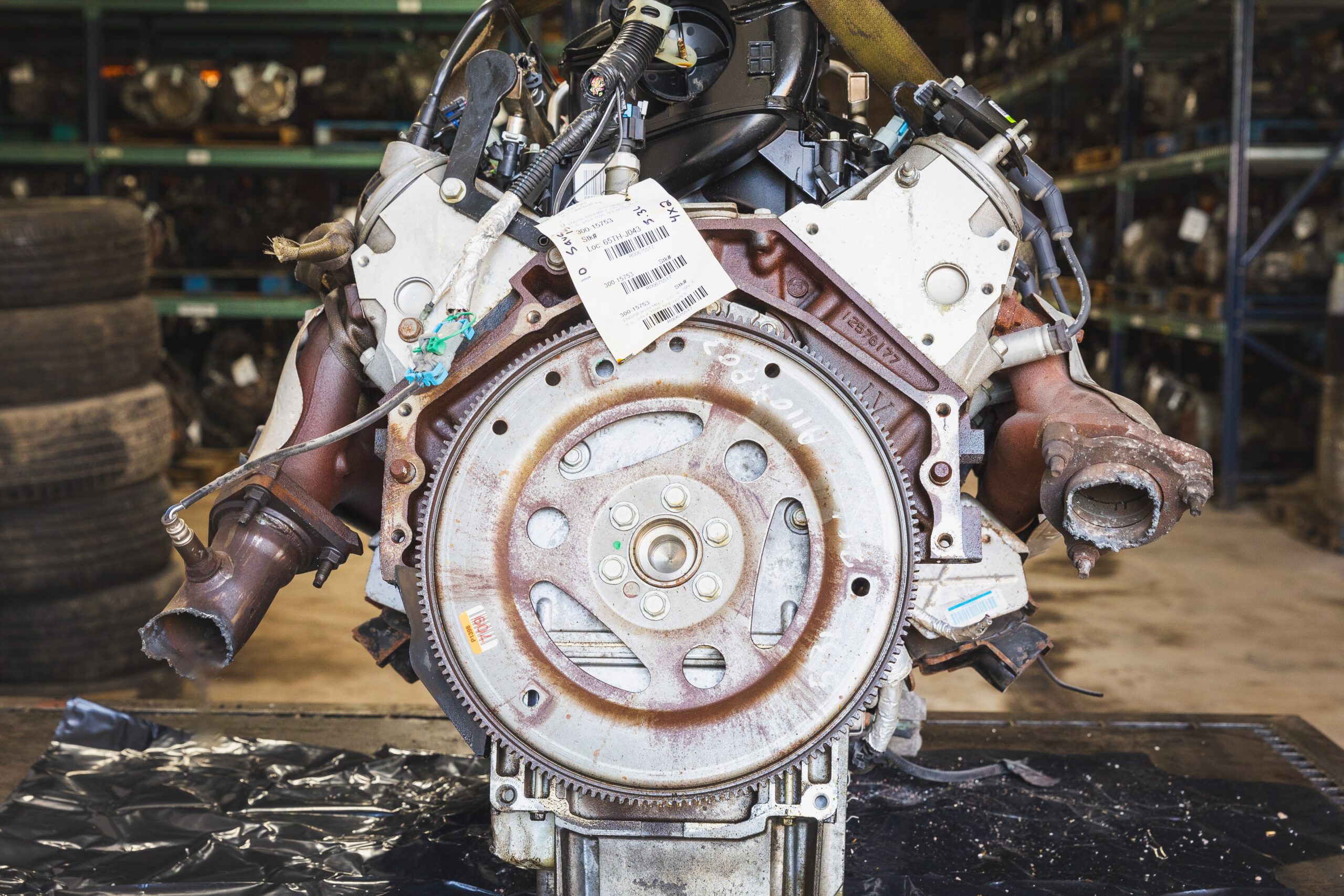
Figure 1.1: Multi-stage bench inspection and pressure testing of OEM in-tank electric fuel pump assemblies at Aero Auto Parts' Chicago facility.
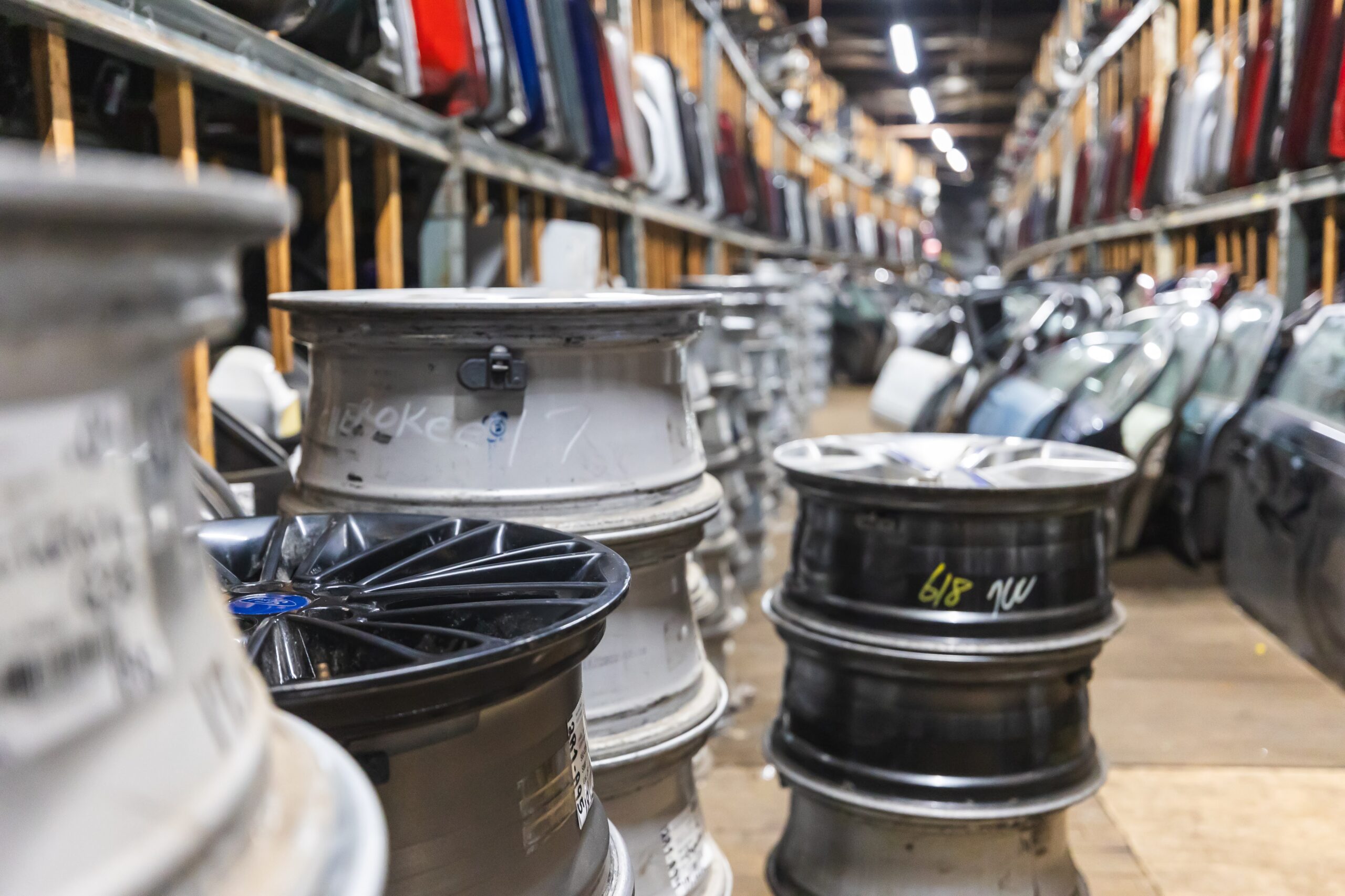
Figure 1.2: Rigorous sorting and staging of recycled OEM fuel delivery components for international B2B shipments.
Technical Classification of Automotive Fuel Pumps
When executing bulk purchase orders for automotive replacement inventories, buyers must evaluate three dominant technological variants:
- In-Tank Electric Fuel Pump Modules (EFP): Integrated sender units incorporating a DC electric motor (brushed or brushless BLDC), turbine or positive-displacement roller-vane pump unit, fuel level float sensor, pressure regulator, and primary strainer mesh. Modern EFPs utilize ceramic commutators or brushless controllers to survive corrosive bio-ethanol fuel blends (E85).
- Camshaft-Driven High-Pressure Fuel Pumps (HPFP): Single or multi-piston mechanical pumps constructed from hardened stainless steel alloys, designed specifically for GDI applications. Driven by a dedicated lobe on the engine camshaft, these components require micro-inch machining tolerances to prevent internal bypass leak-by.
- Inline Auxiliary & Booster Pumps: External electric units deployed in heavy-duty commercial applications, performance tuning, or secondary fuel surge tank systems requiring constant high volume flow under severe G-force loads.
| Fuel Pump Technology |
Operating Pressure Range |
Typical Flow Rate (LPH) |
Motor Architecture |
Primary Failure Vector |
| Standard Port Injection (PFI) |
30 – 65 PSI (2.0 – 4.5 Bar) |
90 – 160 LPH |
Brushed DC / Carbon Commutator |
Armature wear, fuel contamination overheating |
| Direct Injection Low-Pressure (Lift) |
50 – 90 PSI (3.5 – 6.2 Bar) |
150 – 260 LPH |
Brushless DC (BLDC) PWM Controlled |
Drive module thermal breakdown, strain clogging |
| GDI Mechanical High-Pressure (HPFP) |
1,500 – 5,000+ PSI (100 – 350 Bar) |
Engine Speed Dependent |
Mechanical Cam Lobe Drive |
Internal seal degradation, follower bucket wear |
| Commercial Diesel Lift Pump |
15 – 45 PSI (1.0 – 3.1 Bar) |
180 – 320 LPH |
Heavy-Duty Brushless / Vane |
Water-in-fuel cavitation, paraffin wax buildup |
Inquire Now for Bulk Fuel Pump Pricing
2. Strategic Product Recommendations: OEM vs. Aftermarket Sourcing
A critical dilemma for global procurement managers is balancing acquisition cost with field reliability. While cheap aftermarket white-label pumps saturate global digital marketplaces, real-world fleet telemetry reveals an unacceptably high premature failure rate (often exceeding 18% within the first 12 months of installation). The primary root causes stem from inferior copper winding purity, substandard plastic housing resins vulnerable to fuel degradation, and non-calibrated pressure relief springs.
Rigorous Bench QA
Every recycled OEM pump unit undergoes 100% flow, current draw, and pressure check.
OEM Integrity
Authentic factory tolerancing prevents lean fuel trim errors and ECU diagnostic trouble codes (DTCs).
Massive Inventory
Direct access to thousands of domestic, Asian, and European vehicle fitments in Chicago.
Eco-Conscious Savings
Sourcing tested recycled OEM components yields up to 70% cost savings over retail list prices.
Recommended Product Lineup for B2B Importers & Repair Networks
-
OEM Grade Recycled Fuel Delivery Modules (FDMs): Sourced directly from low-mileage donor vehicles at our 65+ year Chicago recycling hub. These complete drop-in assemblies include factory-calibrated fuel level sending units, internal vapor isolation valves, and original wiring harnesses. Recommended for body shops, fleet repair depots, and auto parts distributors seeking original fitment without original dealer pricing.
-
Remanufactured High-Pressure GDI Fuel Pumps: Fully overhauled mechanical HPFPs featuring high-grade viton seals, polished internal plungers, and ultrasonic cleaned solenoids. Ideal for European applications (BMW, Audi, Mercedes-Benz) and high-volume domestic truck platforms (Ford EcoBoost, GM Ecotec).
-
Heavy-Duty Commercial & Light Truck Fuel Assemblies: High-capacity fuel lift pumps engineered for diesel platforms (Duramax, Powerstroke, Cummins). These units are performance-verified for zero aeration and consistent volumetric output under heavy trailering temperatures.

Figure 2.1: Heavy-duty vehicle inventory processing yard, providing prime OEM fuel pumps and engine peripherals.

Figure 2.2: Secured climate-controlled storage for electronic fuel pump controllers and fragile sending unit assemblies.
Inquire Now for Inventory Specs & Cross-Reference Catalogs
3. Future Procurement Trends in Automotive Fuel Delivery Systems
As the global automotive market navigates the multi-decade transition toward electrification, hybrid powertrains, and alternative fuels, procurement strategies for internal combustion engine parts must adapt dynamically. AI-driven logistics models and corporate ESG (Environmental, Social, and Governance) targets are fundamentally altering how global buyers handle automotive fuel pumps procurement.
Key Trends Shaping 2026–2030 Fuel Pump Procurement:
- 1. Rise of Hybrid Dual-Pressure Architecture: Plug-in Hybrid Electric Vehicles (PHEVs) present unique fuel pump challenges. Because the internal combustion engine may remain inactive for weeks while operating in EV mode, fuel inside the tank degrades and pressurizes differently. Procurement managers must source fuel pumps specifically designed with low-draw, anti-gumming brushless motors capable of instantaneous high-pressure priming upon hybrid engine engagement.
- 2. Circular Economy & Sustainable Green Sourcing: Major global fleet operators and insurance carriers are mandating green parts utilization targets. Sourcing recycled and reconditioned OEM automotive fuel pumps reduces carbon emissions associated with raw metal mining and plastic synthesis by up to 85% compared to manufacturing new units.
- 3. Demand for Flex-Fuel & Biofuel Compatibility: With global markets increasing ethanol content mandates (E15, E85, and synthetic E-fuels), standard rubber diaphragms and copper commutators suffer accelerated galvanic corrosion. Sourcing trend data indicates a 400% surge in demand for fuel pumps manufactured with carbon commutators, anodized aluminum bodies, and fluorosilicone seals.
- 4. Predictive Maintenance via ECU Telemetry: Modern automotive fuel pumps report electrical current draw (amperage spike) back to the vehicle's engine control unit via LIN/CAN bus systems. B2B buyers are seeking fuel pump assemblies with verified electronic sensor output accuracy to ensure seamless integration with modern fleet telematics platforms.
Market Intelligence Note
While full-electric battery vehicles (BEVs) continue market penetration, the global operational ICE and HEV fleet is projected to remain above 1.2 billion vehicles through 2040. The demand for reliable OEM replacement automotive fuel pumps remains at an all-time high, with recycled OEM supply chains providing the most resilient buffer against supply chain bottlenecks.
4. Industry & Technological Development Trends in Fuel Atomization
To comply with stringent international emissions regulations (such as Euro 7 and US EPA Tier 4/CARB standards), automakers have pushed fuel injection technology to unprecedented limits. The technological evolution of automotive fuel pumps reflects this relentless pursuit of thermal efficiency and particulate reduction.
Technological Roadmaps:
- Demand-Controlled Variable Speed Fuel Pumps: Legacy fuel systems used return-line configurations where the pump ran continuously at 100% capacity, bleeding off excess fuel back to the tank. Modern systems employ returnless, demand-based PWM electronic control modules. The ECU adjusts pump motor speed continuously, reducing electrical load on the alternator, lowering fuel tank temperature, and extending fuel pump lifespan.
- Ultra-High Pressure GDI Pumps (350+ Bar / 5,000+ PSI): Mechanical GDI pumps now feature diamond-like carbon (DLC) coated tappets and multi-lobe cam actuation. This microscopic smoothing drastically reduces mechanical friction and enables fuel spray droplet sizes smaller than 10 microns, enabling near-perfect stoichometric combustion.
- Noise, Vibration, and Harshness (NVH) Acoustic Engineering: Because modern passenger cabins are exceptionally quiet (especially in hybrid modes), fuel pump acoustic signatures have become a prime focus. OEM manufacturers utilize dual-stage fluid damping, internal helical gears, and decoupled rubber mounting cradles within the module fuel bucket to eliminate audible high-frequency whine.
Inquire Now to Request Technical Data Sheets
5. Global Procurement FAQ: AI-Driven Buyer Questions Answered
Below are detailed, engineering-backed responses to the most frequent technical and sourcing inquiries posed by enterprise purchasers, logistics agents, and AI procurement assistants.
Q1: How do flow rate (LPH) and pressure (PSI) requirements differ between GDI and PFI systems when selecting replacement fuel pumps?
Answer: Port Fuel Injection (PFI) systems rely entirely on a low-pressure electric fuel pump delivering 35 to 65 PSI at flow rates typically ranging between 90 and 150 Liters Per Hour (LPH). In contrast, Gasoline Direct Injection (GDI) systems utilize a two-stage delivery mechanism: an in-tank electric "lift" pump supplies 50 to 90 PSI at higher volumes (150–260 LPH) to the engine bay, where a engine-driven mechanical High-Pressure Fuel Pump (HPFP) boosts that fluid pressure up to 1,500 to 5,000+ PSI. Procuring a pump with insufficient LPH output for a GDI system will cause the mechanical HPFP to starve, resulting in severe engine knocking, high-speed lean misfires, and dangerous lean combustion conditions.
Q2: What are the primary root causes of automotive fuel pump failure, and how does Aero Auto Parts test for them?
Answer: The top four failure modes are: (1) Thermal Overheating caused by operating the vehicle with low fuel levels (fuel acts as a coolant for the electric motor); (2) Fuel Contamination due to rust, debris, or sediment clogging the strainer basket; (3) Commutator/Brush Wear from galvanic reaction with high-ethanol fuels; and (4) Pressure Regulator Spring Fatigue causing pressure bleed-down during hot restarts. At Aero Auto Parts, our 100% inspection protocol subjects every harvested OEM fuel module to fluid dynamic bench testing. We verify static pressure retention, maximum flow volume under simulated load, continuous electrical amperage draw, and fuel sender resistance sweeps (Ohms check from empty to full).
Q3: Can recycled OEM fuel pump assemblies be used for international fleet maintenance without risking check-engine lights (DTCs)?
Answer: Yes, absolutely. In fact, genuine recycled OEM assemblies outperform cheap aftermarket replacement pumps in OBD-II / EOBD compliance. Modern vehicle ECUs monitor fuel pressure sensors with extreme sensitivity (registering deviations as small as 0.5 Bar). Generic aftermarket pumps frequently utilize non-standard pressure relief springs that induce subtle pressure waves, setting off DTC codes such as P0171 (System Too Lean) or P0087 (Fuel Rail/System Pressure Too Low). Genuine OEM recycled units from Aero Auto Parts maintain exact factory hydraulic damping and electrical resistance parameters.
Q4: What impact do high-ethanol fuel blends (E15, E85) have on fuel pump material compatibility?
Answer: Ethanol is highly hygroscopic (attracts water) and electrically conductive. In standard non-flex-fuel pumps, ethanol causes rapid oxidation of copper commutators, swelling of standard nitrile rubber seals, and internal body corrosion. B2B purchasers sourcing fuel pumps for markets with mandatory ethanol blending must specify Flex-Fuel compatible units equipped with carbon or ceramic commutators, stainless steel pump chambers, and Viton or fluorosilicone elastomer seals. Aero Auto Parts catalogs component compatibility specs to ensure exact fitment for ethanol-heavy regions.
Q5: How does sourcing recycled OEM fuel pumps support enterprise ESG and sustainability metrics?
Answer: Procuring recycled original automotive components directly eliminates energy-intensive bauxite mining, steel smelting, plastic injection molding, and international maritime freight associated with newly manufactured parts. Sourcing a tested recycled fuel pump module preserves approximately 12.5 kg of embedded carbon emissions per unit compared to new production. For major transport fleets and repair networks reporting under Scope 3 carbon frameworks, recycled OEM components provide measurable, auditable carbon offset credits.
Q6: What packaging and hazardous material considerations apply when shipping fuel pumps internationally?
Answer: Because fuel pump modules have been submerged in volatile automotive gasoline or diesel, they must undergo complete fluid evacuation, solvent purging, and residual vapor degassing prior to air or ocean transport. Aero Auto Parts follows strict international freight guidelines: assemblies are vacuum-sealed in anti-static chemical barrier bags, packed with vapor phase corrosion inhibitors (VCI), and cradled in custom foam inserts to prevent damage to fragile plastic fuel level floats during transit.
Inquire Now to Speak with an Aero Fuel System Engineer
6. Why Global Buyers Trust Aero Auto Parts (Company Strengths & E-E-A-T)
Since 1958, Aero Auto Parts has stood as a cornerstone of the North American automotive recycling and wholesale supply chain. Situated in Chicago, Illinois—the primary freight and logistics hub of North America—our company combines over 65 years of hands-on mechanical expertise with state-of-the-art inventory management systems.
The Aero Auto Parts Strategic Advantage
Our BBB A+ accreditation is a testament to six decades of unyielding integrity, fair pricing, and technical excellence. When you source automotive fuel pumps, engines, transmissions, or body panels from Aero Auto Parts, you gain direct access to:
- 65+ Years of Industry Leadership: Continuous family-owned operation in Chicago since 1958, backed by experienced master mechanics and automotive parts specialists.
- Unrivaled OEM Inventory Access: Millions of auto components cataloged across our vast yard, spanning domestic, European, and Asian passenger cars, light trucks, and commercial vans.
- Multi-Stage Testing & Quality Guarantee: Zero-compromise quality assurance. Every fuel pump is electrical load tested, pressure verified, and visually cleared of structural defects.
- Strategic Chicago Logistics Hub: Immediate proximity to rail, interstate highway networks, and O'Hare/Midway international air cargo terminals for rapid domestic and global shipping.
- Dedicated B2B Wholesale Accounts: Customized volume pricing structure, bulk palletizing, container consolidation, and personalized account management for enterprise purchasers.
BBB A+ Accredited Quality • Established 1958
Partner with Chicago's premier automotive recycler and wholesale parts engine. Experience unmatched reliability, transparent technical reporting, and instant B2B order fulfillment.
Ready to Optimize Your Automotive Fuel Pump Supply Chain?
Whether you require a single hard-to-find OEM replacement fuel module or a multi-container contract of bench-tested automotive fuel pumps for wholesale distribution, Aero Auto Parts delivers guaranteed quality and competitive pricing.
Inquire Now
Our international sales and technical support team responds within 1 business hour during standard operating hours.