
News & Automotive Guides
Auto Parts Blog & Insights
Expert tips, maintenance advice, and buying guides for quality used auto parts, engines, transmissions, and vehicle recycling in Chicago.
Blog

2026 Best Headlights and Taillights for Global Buyers
Choosing the right automotive lighting in 2026 requires more than comparing brightness, styling, or price. Headlights and Taillights influence night visibility, driver confidence, and how clearly a vehicle communicates with surrounding traffic. Global buyers also face different road layouts, climate conditions, vehicle designs, and regional equipment requirements.
This guide examines practical lighting choices for cars, trucks, SUVs, and specialty vehicles. It considers beam control, light color, weather resistance, installation quality, thermal management, and long-term reliability. A well-designed headlight should illuminate road edges without creating unnecessary glare. A dependable taillight should remain visible through rain, dust, and sudden braking situations. Small details matter, such as sealed connectors, stable mounting points, and evenly distributed illumination.
Real-world use can challenge laboratory claims. A lamp that looks powerful in a showroom may perform poorly on a wet road. An attractive smoked lens may reduce visibility. Brightness alone is not enough. Buyers should verify vehicle compatibility, regional approval requirements, wiring design, and professional installation support before purchasing. Products may also perform differently after months of vibration and temperature changes.
No single lighting system suits every market or driver. That limitation deserves attention. This overview combines technical considerations, user experience, and manufacturer information to support more informed decisions. It does not replace local inspection advice or qualified automotive technicians. For global buyers, the safest choice is usually balanced performance, clear documentation, and consistent reliability rather than the most aggressive-looking product.
Read more »
 By:Jackson
- October 13, 2026
By:Jackson
- October 13, 2026

How to Choose the Best Automotive Radiators?
Choosing the right Automotive Radiators is not simply a matter of matching dimensions. The radiator must manage heat, coolant flow, airflow, pressure, and the vehicle’s daily workload. A compact city car, a towing truck, and a modified performance vehicle create very different cooling demands. The wrong choice may fit the engine bay perfectly, yet still cause overheating in traffic or during long climbs.
Automotive technology educator James D. Halderman explains, “The cooling system is designed to remove excess heat from the engine.” That principle remains practical. A reliable selection begins with the engine’s output, radiator core size, tube construction, fin density, coolant capacity, and fan arrangement. Aluminum radiators often offer efficient heat transfer and lighter weight, while copper-brass designs may provide different repair and durability advantages. Neither material is automatically best.
Look closely.
Real-world experience matters. Check the vehicle’s service history, thermostat condition, water pump performance, hose routing, and available airflow before blaming the radiator. A larger core is not always better. Dense fins can restrict airflow when packed with dust, leaves, or insects. Electric fans also need correct shrouding and electrical capacity.
This guide examines how to compare radiator materials, dimensions, cooling ratings, mounting points, and compatibility. It also considers quality control, warranty support, and installation risks. Some recommendations may seem obvious. They are not. Manufacturer claims can overlook driving conditions, and online reviews may describe a different engine, climate, or workload. The best decision combines verified specifications with careful inspection and honest reflection about how the vehicle is actually used.
Read more »
 By:Ethan
- October 8, 2026
By:Ethan
- October 8, 2026

China Top Catalytic Converter Suppliers for Global Buyers
China Top Catalytic Converter Suppliers for Global Buyers offers a practical guide to evaluating manufacturers in a competitive international market. China has a broad industrial base, from established exhaust-system factories to specialized automotive component producers. However, supplier quality can vary significantly. A polished website is not proof of manufacturing capability.
This guide focuses on evidence. Buyers should examine production equipment, material specifications, inspection records, and export experience. Factory audits can reveal welding quality, assembly consistency, and warehouse conditions that catalogs often hide. Product samples should be tested for substrate structure, coating uniformity, thermal durability, and fitment accuracy. Small details matter.
Documentation matters too. Reliable suppliers provide clear technical data, batch records, test reports, and traceable business information. They should understand the emissions requirements of the destination market and support lawful, certified product use. Buyers must verify applicable standards independently, because certificates may have limited scope or validity. Ask direct questions. Check every claim.
Cost is only one part of the decision. A lower quotation may reflect thinner materials, weaker packaging, inconsistent precious-metal loading, or limited after-sales support. Freight planning, warranty terms, replacement procedures, and communication speed also affect the real purchasing cost. Even experienced buyers can overlook these points.
No supplier is perfect. That deserves honest attention. The strongest partnerships usually develop through sample testing, transparent negotiations, and documented quality controls. By comparing China’s top Catalytic Converters suppliers through measurable evidence, global buyers can reduce risk, protect vehicle performance, and build more dependable sourcing relationships.
Read more »
 By:Oliver
- October 3, 2026
By:Oliver
- October 3, 2026

What Are the Best Car Bumpers from China?
Choosing the best Car Bumpers from China starts with more than price or appearance. China produced about 30.16 million vehicles in 2023, roughly one-third of worldwide output, according to the International Organization of Motor Vehicle Manufacturers (OICA). The China Association of Automobile Manufacturers (CAAM) reported 31.282 million vehicles produced in 2024. These figures show the scale of China’s automotive industry, but they do not measure bumper quality or identify the strongest suppliers. That distinction matters.
For buyers, useful comparisons begin with vehicle fitment, material specifications, manufacturing consistency, and documented testing. A bumper should match the exact make, model, year, and trim; even small differences in mounting points or sensor openings can complicate installation. Ask suppliers for material details, inspection records, sample parts, and clear warranty terms. Check whether parking sensors, grilles, and reinforcement components are included or sold separately. For export orders, confirm that the product meets the requirements of its intended market.
A glossy finish is easy to photograph. Reliable fit is harder to judge from a catalogue. Supplier claims deserve verification, and certifications should be checked for scope and validity. Some product listings provide limited technical evidence; that is a real weakness, not a detail to overlook. This guide compares what buyers can verify, what questions to ask, and how to assess Chinese Car Bumpers against practical needs rather than broad marketing promises.
Read more »
By:Jackson
- September 28, 2026
What Are Auto Body Parts and How to Source Them?
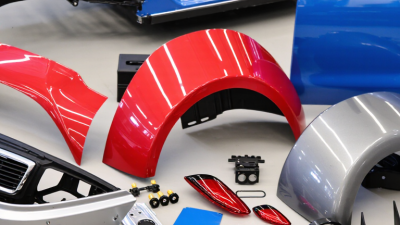
Auto Body Parts include the exterior components that protect a vehicle and restore its appearance after damage. They include bumpers, fenders, hoods, doors, grilles, mirrors, lights, and support panels. Some parts are structural, while others mainly improve airflow, visibility, or appearance. Knowing this difference helps buyers choose suitable replacements instead of ordering by appearance alone.
Sourcing requires more than finding a low price. In my experience, a correct part begins with the vehicle identification number, production year, trim level, and body configuration. Small differences can affect mounting holes, sensor locations, paint coverage, and panel alignment. A bumper may look identical online but lack openings for parking sensors. That mistake creates delays.
Quality matters.
Buyers should compare OEM, certified aftermarket, and recycled options through reputable suppliers. They should request clear photos, part numbers, material details, warranty terms, and return conditions. For painted panels, color codes and finish expectations deserve special attention. A supplier who answers technical questions clearly is usually easier to trust.
Still, sourcing is not perfectly predictable. Catalogs may contain errors, and shipping damage can occur despite careful packaging. I have learned that written confirmation is safer than assumptions. Inspect each part before installation. Check edges, clips, welds, glass, and electrical connections. Professional technicians can also verify fitment and safety-related components.
This guide explains what Auto Body Parts are, how they are classified, and where responsible buyers can source them. It also considers cost, compatibility, quality control, and practical purchasing risks. The goal is simple: make informed decisions that support safe, accurate vehicle repairs.
Read more »
By:Oliver
- September 23, 2026
10 Tips for Choosing the Right Car Alternators
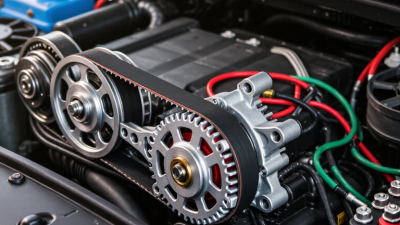
Choosing the right Car Alternators is not simply about matching a price or choosing the highest amp rating. The alternator must fit your vehicle’s engine, electrical system, mounting points, belt path, and control technology. A unit that looks identical may still create charging faults, belt noise, or battery damage. Small details matter.
This guide shares practical checks used by experienced technicians and careful vehicle owners. We will examine output capacity, voltage compatibility, pulley design, connector types, remanufactured quality, warranty coverage, and supplier reputation. Testing the battery and charging circuit before replacement can prevent an expensive mistake. It also helps confirm whether the alternator is actually the problem. Not always.
Manufacturer specifications remain the strongest starting point, but real driving conditions deserve attention. Heated seats, amplifiers, winches, extra lighting, and frequent short trips can increase electrical demand. However, installing the largest available alternator is not automatically better. The vehicle’s wiring and charging controls must support it. That point is sometimes overlooked.
A reliable choice should deliver stable voltage under load, fit securely, and perform consistently in heat and traffic. Ask for test results when possible. Check return terms. Read the small print. Even professional recommendations can be imperfect when a vehicle has aftermarket modifications or incomplete service records. These ten tips will help you compare options carefully, avoid common assumptions, and select Car Alternators with greater confidence.
Read more »
By:Ethan
- September 18, 2026
Best Used Car Engines for Sale Worldwide?
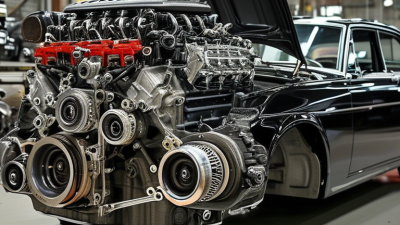
In the world of used car engines, quality and reliability are paramount. As John Smith, a respected expert in automotive engineering, once said, “Finding the right used car engine can change everything for your vehicle.” This underscores the importance of thorough research in the used car engines market.
With countless options available worldwide, selecting the best used car engines can be overwhelming. Buyers often face challenges with varying engine conditions and histories. Many engines come with unknown issues that can lead to costly repairs later. However, making informed decisions can significantly improve the chances of finding a dependable engine.
It's essential to consider factors such as engine performance, mileage, and compatibility with your vehicle. Knowing what to look for will help buyers dodge potential pitfalls. Even among reliable options, certain engines stand out, offering exceptional value. In this complex landscape, prioritizing quality and trust is crucial for anyone purchasing used car engines.
Read more »
By:Ethan
- August 21, 2026
Why Are Used Transmissions a Smart Choice for Buyers?
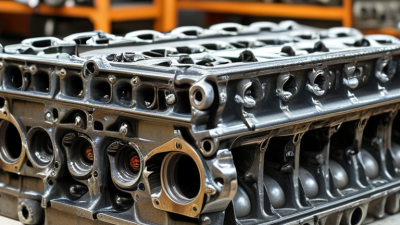
When considering car repairs, buyers often face a tough decision. One option that many overlook is used transmissions. These components can be both practical and economical. The demand for used transmissions is rising among savvy buyers.
Used transmissions are generally less expensive than new ones. This can save money for essential repairs. Additionally, they can offer similar performance levels when properly inspected. Buyers can find reliable options through reputable suppliers. However, it's crucial to verify the history and condition of used parts. Not all used transmissions are equal. Shoppers must research and ask the right questions.
In today's market, used transmissions have become a viable choice for many. They present a chance to maintain a vehicle without breaking the bank. Yet, potential buyers should approach this option with caution. Understanding the benefits, as well as the risks, is essential. Making informed decisions can lead to smarter purchases in the long run.
Read more »
By:Ethan
- August 21, 2026

Top 10 Used Auto Batteries for Global Buyers to Consider?
When considering the purchase of used auto batteries, it is essential to understand the market landscape. Used auto batteries offer an affordable alternative for those seeking to replace their vehicle's power source. Many buyers face confusion about quality and reliability. Navigating through various brands and specifications can be challenging.
The goal is to make informed choices. Specialized knowledge is crucial in identifying the best options. Factors like capacity, lifespan, and compatibility with your vehicle are vital. It is common to overlook these details, leading to unsatisfactory purchases. Each battery has its strengths and weaknesses. Understanding these nuances is necessary for a successful transaction.
Seasoned buyers often share insights on what to consider when selecting used auto batteries. They emphasize the importance of trusting reputable sources. With the right information, you can avoid common pitfalls. Empowering consumers with detailed knowledge is essential. This article will explore the top ten used auto batteries, providing essential information to assist global buyers.
Read more »
By:Jackson
- August 21, 2026