
6339 S Wentworth Ave, Chicago, IL 60621 BBB A+ Rated • Since 1958
Mon–Fri 8:30am–5pm  |  Sat 8:30am–1pm 773-483-2626
News & Automotive Guides

Auto Parts Blog & Insights

Expert tips, maintenance advice, and buying guides for quality used auto parts, engines, transmissions, and vehicle recycling in Chicago.

0%

Choosing the right Car Alternators is not simply about matching a price or choosing the highest amp rating. The alternator must fit your vehicle’s engine, electrical system, mounting points, belt path, and control technology. A unit that looks identical may still create charging faults, belt noise, or battery damage. Small details matter.

This guide shares practical checks used by experienced technicians and careful vehicle owners. We will examine output capacity, voltage compatibility, pulley design, connector types, remanufactured quality, warranty coverage, and supplier reputation. Testing the battery and charging circuit before replacement can prevent an expensive mistake. It also helps confirm whether the alternator is actually the problem. Not always.

Manufacturer specifications remain the strongest starting point, but real driving conditions deserve attention. Heated seats, amplifiers, winches, extra lighting, and frequent short trips can increase electrical demand. However, installing the largest available alternator is not automatically better. The vehicle’s wiring and charging controls must support it. That point is sometimes overlooked.

A reliable choice should deliver stable voltage under load, fit securely, and perform consistently in heat and traffic. Ask for test results when possible. Check return terms. Read the small print. Even professional recommendations can be imperfect when a vehicle has aftermarket modifications or incomplete service records. These ten tips will help you compare options carefully, avoid common assumptions, and select Car Alternators with greater confidence.
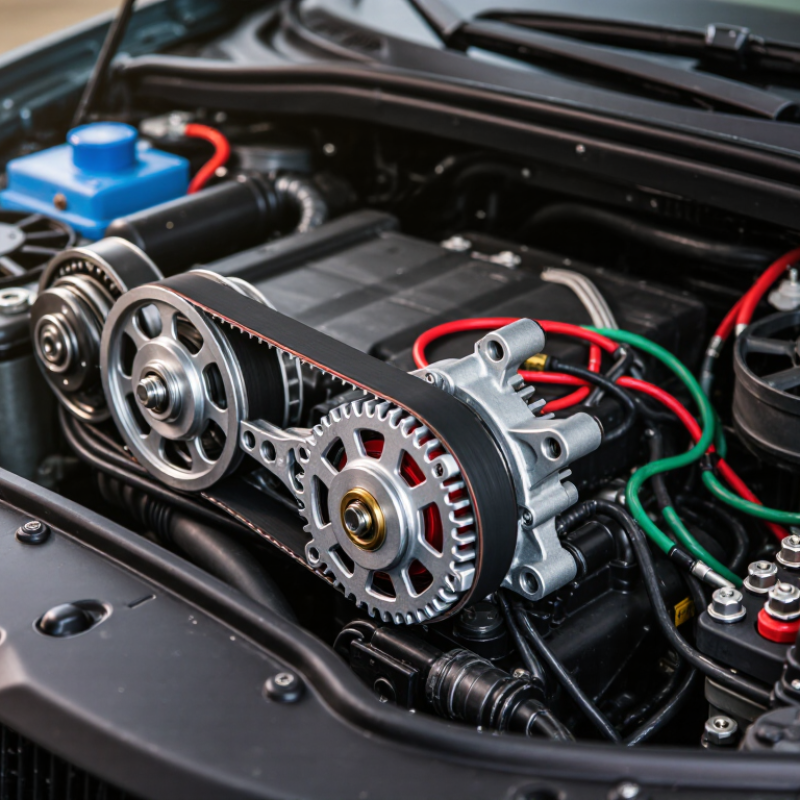
10 Tips for Choosing the Right Car Alternators

Alternator Basics: 12–15 V Systems, Output Ratings, and Core Components

A car alternator belongs to a nominal 12-volt electrical system. During operation, charging voltage commonly rises to 13.8–14.7 volts. Some controlled systems may approach 15 volts briefly. Always verify the vehicle specification before judging that reading.

SAE J56 describes alternator performance testing under defined voltage, speed, and temperature conditions. Therefore, a 120-amp rating is not constant at idle. Hot windings, slow pulley speed, and heavy electrical loads can reduce real output. I check voltage at the battery, then measure current with a calibrated clamp meter. A small mistake here can misidentify a weak battery as an alternator fault. It happens.

The alternator’s rotor creates the magnetic field, while the stator produces alternating current. The rectifier converts that current into usable direct current. A voltage regulator controls field strength and protects sensitive electronics. Bearings, brushes, slip rings, and the pulley also deserve inspection. The International Energy Agency reports that global electric-car sales exceeded 17 million in 2024, increasing demand for reliable low-voltage support systems in many vehicles. However, hybrid designs can use different charging strategies. Match the replacement to rated amperage, pulley design, connector layout, and regulator communication. Bigger is not automatically better. A higher rating may overload wiring or expose a weak ground connection.

Match Amperage to Vehicle Loads: Typical Alternators Range from 60–150 A

10 Tips for Choosing the Right Car Alternators

Match Amperage to Vehicle Loads: Typical Alternators Range from 60–150 A

A car alternator must match the vehicle’s real electrical demand, not just the engine size. Typical passenger-car units produce about 60–150 amperes. At 14.2 volts, a 100-amp alternator provides roughly 1,420 watts before operating losses. However, this is a maximum rating. Output usually falls at idle, especially with headlights, climate control, heated seats, and windshield defogging active.

Measure the load.

A practical inspection should include the original equipment demand, added accessories, and battery condition. Many standard vehicles already consume 30–50 amps while driving. A 100-amp unit may therefore leave limited reserve for auxiliary lighting or audio equipment. The U.S. Department of Energy’s 2023 Transportation Energy Data Book documents continued growth in vehicle accessory and electrical-system complexity. S&P Global Mobility’s 2024 vehicle-age report also places the average U.S. light vehicle at about 12.6 years, making wiring resistance and aging connections important factors.

In field checks, technicians should test charging output at idle and around 2,000 rpm. Do not rely only on the label. A slightly higher-rated alternator can help, but excessive capacity may expose weak cables, fuses, or grounds. I have seen a “stronger” replacement fail to solve dimming lights because the ground strap was corroded. That was an easy mistake. The correct choice balances rated amperage, low-speed performance, cable capacity, and the vehicle’s measured load. SAE charging-system testing practices provide a useful reference, but actual vehicle testing remains essential.

10 Tips for Choosing the Right Car Alternators - Match Amperage to Vehicle Loads: Typical Alternators Range from 60–150 A

Practical selection guide for matching alternator output, electrical demand, and vehicle compatibility.
Tip Selection Dimension Reference Data Practical Recommendation
1 Estimate total electrical demand A typical passenger vehicle may require approximately 40–80 A during normal operation, depending on equipment and conditions. Add the vehicle’s operating loads, then retain reserve capacity rather than selecting an alternator that operates continuously at its limit.
2 Match rated amperage to vehicle loads Common passenger-car alternators are often rated around 60–150 A; some newer or specially equipped vehicles use higher ratings. Choose an output rating at least equal to the vehicle’s original specification unless a documented electrical upgrade requires more.
3 Check low-speed output An alternator’s maximum rating is generally measured at a specified test speed; output is lower at engine idle. For vehicles using high electrical loads at idle, compare the manufacturer’s idle-output or speed-output curve, not only the maximum amperage.
4 Verify system voltage Most modern passenger vehicles use a nominal 12 V electrical system, with charging voltage commonly controlled near 13.5–14.8 V. Use the correct voltage and charging-control strategy specified for the vehicle; do not substitute a different system design without engineering verification.
5 Confirm physical fitment Important dimensions include mounting-ear spacing, bolt diameter, case size, pulley alignment, and belt type. Compare the original unit and replacement drawings before purchase; a higher-output unit is unsuitable if it cannot mount or align correctly.
6 Match the pulley and belt system Vehicles may use different pulley groove counts, pulley diameters, belt profiles, or overrunning pulley designs. Use the same pulley specification unless the drive system has been deliberately redesigned; incorrect alignment can cause belt noise and premature wear.
7 Check electrical connections and control type Alternators may use different terminal layouts, sensing circuits, field-control systems, and communication-based regulators. Match the connector, terminals, regulator configuration, and vehicle control protocol to prevent charging faults or warning-light issues.
8 Evaluate wiring and fuse capacity A higher-rated alternator can deliver more current through the charge cable and main protection device. Have cable cross-section, fusible links, grounds, and terminals assessed before increasing output; do not rely on the original wiring automatically.
9 Consider battery and charging compatibility Battery chemistry, capacity, state of charge, and temperature all affect charging behavior; the alternator does not replace a correctly specified battery. Use the battery type and charging profile required by the vehicle, and inspect battery condition before diagnosing alternator performance.
10 Allow capacity for added accessories Accessories such as auxiliary lighting, audio amplifiers, heated equipment, winches, and refrigeration can add substantial demand. Calculate each accessory’s current draw, prioritize simultaneous-use loads, and upgrade the alternator, wiring, and protection together when necessary.
Note: Alternator output varies with engine speed, temperature, regulator strategy, and test conditions. Always confirm the vehicle-specific service specification and the alternator manufacturer’s test data before installation.

Verify Fitment Using Mounting Points, Belt Design, and OEM Specifications

10 Tips for Choosing the Right Car Alternators

Verify Fitment Using Mounting Points, Belt Design, and OEM Specifications

Choosing the right alternator starts with physical fitment, not appearance. I once trusted a nearly identical housing and missed one mounting ear. The installation failed before electrical testing began. Measure the distance between mounting points, bolt diameter, ear thickness, and housing clearance. Check whether the unit sits correctly beside the engine block and nearby components. Small differences can create belt misalignment or unwanted vibration.

Belt design deserves equal attention. Confirm whether the vehicle uses a serpentine belt or a V-belt. Count the pulley ribs and compare the pulley width. Measure its offset from the alternator housing. A pulley that sits only a few millimeters outward can damage the belt edge. Verify rotation direction as well. Some units look suitable but are designed for a different engine layout. Visual inspection alone is not enough.

Use the vehicle’s OEM specifications as your reference point. Match rated output, voltage, connector position, regulator type, and rotation. The amperage should support the vehicle’s original electrical load without creating compatibility concerns. Check the service manual and the old unit’s identification label. Do not rely on memory. I have made that mistake. A careful installer can still overlook connector indexing or a hidden clearance issue, so test-fit the alternator before final belt tensioning.

Compare Efficiency, Regulation, and Heat Performance Under Real-World Loads

Choosing the right car alternator requires more than matching amperage. Under real-world loads, efficiency changes sharply with speed and temperature. The U.S. Department of Energy reports that conventional alternators often convert only about 50–60% of mechanical input into electrical output. Peak figures can mislead. A unit producing rated current at 6,000 rpm may struggle at idle with headlights, cooling fans, and heated windows operating together. Test output at idle and at normal cruising speed.

Voltage regulation deserves equal attention. ISO 8854:2012 defines alternator testing methods and operating conditions, while SAE guidance emphasizes stable voltage across changing electrical demand. Look for regulation near the vehicle’s specified range, commonly around 14 volts in conventional systems. Excessive voltage can stress electronic modules. Low voltage leaves the battery undercharged. Measure voltage after a cold start and again after the alternator reaches working temperature.

Heat exposes weak designs. Copper resistance rises approximately 0.39% for every 1°C increase, according to standard electrical engineering data. That raises losses inside the windings. Check rated output at high temperature, not only in a cool workshop. A practical test should include a loaded idle period, repeated acceleration, and infrared temperature readings near the rear housing.

Small differences matter. I would not trust a single bench number.
Road airflow, belt slip, cable resistance, and imperfect grounding can change the result. Always compare the test conditions.

Assess Remanufactured Quality, Warranty Terms, and ISO 9001 Certification

Choosing the right car alternator requires more than matching voltage and amperage. Remanufactured quality can vary widely between suppliers and production batches.

Tip: Inspect the unit closely. Look for clean slip rings, firm bearings, secure wiring, and evenly seated diode connections. Minor casing scratches may be harmless, but oil residue deserves questions. Ask whether the core was tested under electrical load, not merely powered on. A printed test report provides useful evidence. It is not perfect proof.

Warranty terms can reveal how seriously a supplier supports its work. Read the exact coverage period and exclusions. Some warranties exclude labor, towing, incorrect installation, or damage from related electrical faults. That detail can create an expensive delay. Confirm the claim process, required documents, and replacement timeline before purchasing. Tip: Keep the invoice and installation record. Do not assume every warranty works the same way.

ISO 9001 certification shows documented quality-management processes, but it does not guarantee every alternator is flawless. Verify the certificate’s current validity, scope, and issuing organization. The scope should include relevant manufacturing or remanufacturing activities. Tip: Ask how failed units are recorded and corrected. Vague answers deserve caution. In practical inspections, I would accept a small cosmetic flaw before accepting unclear testing records. A perfect appearance means little without controlled procedures.

FAQS

What alternator size does a typical passenger car need?

Most passenger cars use alternators rated between 60 and 150 amperes. The correct size depends on measured electrical demand.

How much power does a 100-amp alternator provide?

At 14.2 volts, it can provide about 1,420 watts before operating losses. Real output is usually lower.

Why can a 100-amp alternator still struggle?

Standard systems may already use 30–50 amps while driving. Headlights, fans, heated seats, and defogging reduce the remaining reserve.

Should alternator output be tested at idle?

Yes. Test at idle and around 2,000 rpm. Output often falls sharply at idle.

Does a higher-rated alternator always solve dimming lights?

No. Corroded grounds, weak cables, loose connections, or poor fuses can still cause dimming. More capacity is not magic.

How important is voltage regulation?

Very important. Voltage near the vehicle’s specified range supports stable operation. Excessive voltage may stress electronic modules.

Should alternator performance be checked when hot?

Yes. Heat increases copper resistance and electrical losses. Test after warm-up, not only in a cool workshop.

What practical checks should a technician perform?

Measure battery condition, cable resistance, grounding, belt condition, and output under load. Use infrared readings near the rear housing. One bench number is not enough.

Conclusion

Choosing the right Car Alternators starts with understanding how they support a vehicle’s electrical system. Most passenger vehicles use 12–15 V systems, while the alternator’s output rating determines how much electrical power it can provide. Since typical units range from 60 to 150 A, the correct amperage should match the vehicle’s standard equipment and additional loads, including lighting, audio, climate controls, and electronic accessories. A higher rating is not always better if the vehicle’s wiring and charging system are not designed for it.

Proper fitment is equally important. Check the mounting points, belt design, pulley arrangement, and OEM specifications before purchasing. Beyond physical compatibility, compare efficiency, voltage regulation, and heat management under real-world loads. For remanufactured units, examine rebuilding standards, component testing, warranty coverage, and ISO 9001 certification. These checks can help ensure dependable charging, stable electrical performance, and long-term value without sacrificing safety or compatibility.

Ethan

Ethan

Ethan is a dedicated marketing professional with a deep expertise in our company's innovative product offerings. With a strong focus on delivering value to clients, he regularly updates the professional blog on our company website, sharing insights and trends that highlight the unique advantages of......