
Auto Parts Blog & Insights
Expert tips, maintenance advice, and buying guides for quality used auto parts, engines, transmissions, and vehicle recycling in Chicago.
What Are Auto Body Parts and How to Source Them?
Table of Contents
- Define Auto Body Parts by Function and Repair Category (I-CAR)
- Compare OE, OES, and Aftermarket Parts Using CAPA Standards
- Verify Part Fitment with VIN, OEM Codes, and Collision Data
- Source Certified Suppliers Through Audits and Traceable Listings
- Inspect Quality Against CAPA Certification and SAE Requirements
- FAQS
- Conclusion
- Related Posts
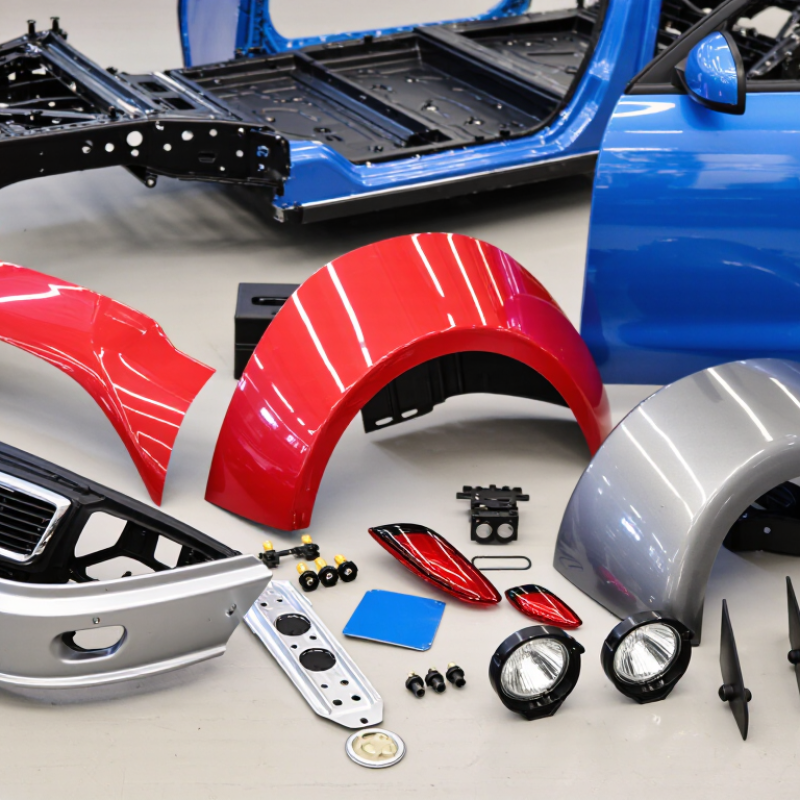
Auto Body Parts include the exterior components that protect a vehicle and restore its appearance after damage. They include bumpers, fenders, hoods, doors, grilles, mirrors, lights, and support panels. Some parts are structural, while others mainly improve airflow, visibility, or appearance. Knowing this difference helps buyers choose suitable replacements instead of ordering by appearance alone.
Sourcing requires more than finding a low price. In my experience, a correct part begins with the vehicle identification number, production year, trim level, and body configuration. Small differences can affect mounting holes, sensor locations, paint coverage, and panel alignment. A bumper may look identical online but lack openings for parking sensors. That mistake creates delays.
Quality matters.
Buyers should compare OEM, certified aftermarket, and recycled options through reputable suppliers. They should request clear photos, part numbers, material details, warranty terms, and return conditions. For painted panels, color codes and finish expectations deserve special attention. A supplier who answers technical questions clearly is usually easier to trust.
Still, sourcing is not perfectly predictable. Catalogs may contain errors, and shipping damage can occur despite careful packaging. I have learned that written confirmation is safer than assumptions. Inspect each part before installation. Check edges, clips, welds, glass, and electrical connections. Professional technicians can also verify fitment and safety-related components.
This guide explains what Auto Body Parts are, how they are classified, and where responsible buyers can source them. It also considers cost, compatibility, quality control, and practical purchasing risks. The goal is simple: make informed decisions that support safe, accurate vehicle repairs.
Define Auto Body Parts by Function and Repair Category (I-CAR)
Auto body parts should be defined by function, not appearance alone. Function comes first. I-CAR training commonly separates collision work into structural, nonstructural, mechanical, electrical, and refinish categories. Structural parts support crash energy management, including rails, pillars, and floor sections. Nonstructural parts include doors, hoods, fenders, deck lids, and bumper covers. These panels may look simple, but their gaps, mounting points, and corrosion protection affect the final repair.
Repair decisions also depend on damage severity. A technician may repair a steel panel, replace a distorted reinforcement, refinish a scratched cover, or calibrate a sensor after alignment. That distinction matters.
NHTSA’s 2023 Traffic Safety Facts report recorded 40,901 traffic fatalities in the United States. This figure reinforces why hidden structural damage deserves more attention than a smooth exterior finish.
A replacement part should match the vehicle’s design requirements, material, dimensions, and documented safety specifications. Sourcing by image alone is risky.
Experience exposes a less tidy reality. A bumper cover can appear usable while its absorber or mounting brackets are damaged. An imported panel may fit, yet require excessive adjustment and create uneven gaps. I-CAR’s repair-planning principles support inspecting related components before ordering parts.
Use the vehicle identification number, repair manual, damage photographs, and measured alignment data. Keep supplier records and part descriptions. Small errors compound quickly. Perfect categorization is impossible. Still, separating function from repair category creates a more reliable sourcing decision.
Compare OE, OES, and Aftermarket Parts Using CAPA Standards
Auto body parts restore a vehicle’s structure, appearance, and safety after a collision. They include hoods, fenders, doors, bumpers, grilles, lamps, and reinforcement components. Sourcing them requires more than matching a picture. Confirm the vehicle identification number, model year, body style, and side position. A small mismatch can create uneven gaps around the hood or door.
OE parts are produced for the vehicle maker’s original specification. They usually offer predictable fit, finish, and mounting points, but availability and cost can vary. OES parts come from an original equipment supplier and may share similar manufacturing knowledge. However, the label alone does not prove identical specifications. Ask for documentation, production details, and warranty terms.
Aftermarket parts can reduce repair costs and improve availability. Quality is not uniform. CAPA certification provides useful evidence because certified parts undergo requirements involving materials, fit, corrosion protection, labeling, and production controls. Certification can support a purchasing decision, but it does not replace a physical inspection. Check the certification mark and part number through reliable records. Test-fit the panel before painting, especially around hinges, lamps, and bumper brackets. Measure gaps with a simple gauge. Look closely.
A certified part may still need adjustment. That is not always a failure, but repeated modification deserves attention. Keep invoices, photographs, and inspection notes. These records make sourcing more accountable and help reveal whether the part, installation, or vehicle damage caused the problem.
Verify Part Fitment with VIN, OEM Codes, and Collision Data
What Are Auto Body Parts and How to Source Them?
Auto body parts include fenders, bumpers, hoods, doors, mirrors, and structural panels. Correct fitment begins with the vehicle identification number, or VIN. A VIN can confirm the model year, engine configuration, trim, and factory options. However, a VIN is not magic. It may not reveal every mid-year design change or replacement detail.
Compare the original equipment manufacturer code with the seller’s listing. Matching descriptions are not enough. The code should align with the vehicle’s production details and part location. Collision data can provide valuable clues, including previous damage, sensor placement, paint requirements, and repair notes. Photos also matter. Look for mounting tabs, connector shapes, panel edges, and reinforcement points. I have seen parts appear identical online but fail during installation because one bracket was revised.
Tips: Record the VIN from the dashboard and registration documents. Ask for the exact OEM code, not only a product name. Request clear photos of connectors and mounting points. Check whether the part is new, repaired, recycled, or modified. Confirm the return policy before payment. When collision data conflicts with a listing, pause and verify with a qualified technician. A second inspection may feel unnecessary, yet it can prevent wasted labor and paint costs. Fitment databases are useful, but they can contain gaps. Keep your own measurements and installation notes.
Source Certified Suppliers Through Audits and Traceable Listings
Auto body parts include panels, bumpers, hoods, lamps, brackets, and structural supports. Sourcing them safely requires more than comparing prices. S&P Global Mobility’s 2024 vehicle-age report placed the average U.S. vehicle age at 12.6 years. That aging fleet increases replacement demand. Price alone is a weak control. A qualified supplier should provide material specifications, current quality certificates, production-lot details, and warranty terms. Auditors should inspect coating lines, storage areas, measuring tools, and rejected parts. Small details reveal large risks.
Traceable listings turn each part into verifiable evidence. Every listing should show a part number, revision level, compatible vehicle data, material, origin, and inspection status. Link lot numbers to invoices and delivery records. Photograph packaging before opening it. Keep inspection results with the purchase order. Some listings look complete but omit revision history. That omission matters during warranty reviews. The system is not flawless; catalog mismatches still happen. Document corrections instead of hiding them. According to the Auto Care Association’s 2024 aftermarket forecast, the U.S. aftermarket continues to expand, making supplier discipline increasingly important.
Tips: Start with a small pilot order. Compare ten random listings with physical labels. Ask for corrective-action deadlines. Keep rejected samples for training. If a supplier resists traceability, pause volume.
Inspect Quality Against CAPA Certification and SAE Requirements
Auto body parts include fenders, hoods, doors, bumpers, and structural panels. Their appearance can mislead. A panel may align well but use thinner steel, uneven coating, or weak mounting points. The 2024 Crash Course industry report placed average U.S. repairable claim severity above $5,000. That figure makes inspection more than a cosmetic exercise.
CAPA certification offers a practical quality checkpoint. Inspect the certification label, approved part number, production traceability, and supplier documentation. CAPA testing examines dimensions, material strength, corrosion protection, and functional fit.
Compare the panel against the damaged original under bright, neutral lighting. Check gaps with a feeler gauge. Measure mounting holes. Look for ripples near the flange.
SAE requirements add technical discipline. Apply the relevant SAE procedures for stone impact, corrosion resistance, coating performance, and material evaluation. SAE J400 and SAE J2334 can support impact and corrosion checks when their scope fits the component.
Do not treat every SAE reference as universal. That is a common mistake. Confirm the latest applicable edition and vehicle-specific repair procedure.
I usually photograph every measurement before installation. My notes are not perfect, but they reveal patterns. A replacement panel that needs excessive force deserves rejection.
Check weld locations, adhesive contact, and corrosion protection after fitting.
The 2023 Mitchell Collision Industry Trends report also linked rising repair complexity with more calibration and documentation needs. Body parts now affect more than appearance. They can influence sensors, restraint clearances, and final repair accuracy.
FAQS
Confirm the vehicle identification number, model year, body style, and side position. A small mismatch can create uneven hood or door gaps.
Original-equipment parts follow the vehicle maker’s specifications. Supplier-made parts may use similar manufacturing knowledge. Aftermarket parts often cost less, but quality can vary widely.
No. Ask for production details, supporting documents, and warranty terms. The label alone proves very little.
It can support checks for materials, dimensions, corrosion protection, labeling, and production controls. Verify the certification mark and part number through reliable records.
Yes. Test-fit it before painting. Check hinges, lamp openings, bumper brackets, and mounting holes. A certified panel may still need adjustment.
Use bright, neutral lighting. Compare it with the damaged original. Measure gaps with a feeler gauge. Look for flange ripples, weak mounting points, and uneven coating.
Reject it when it needs excessive force or repeated modification. Check weld locations, adhesive contact, and corrosion protection after fitting. Appearance alone can mislead.
Relevant industry procedures can assess stone impact, corrosion resistance, coating performance, and material strength. Do not assume every procedure applies universally. Confirm the latest suitable requirement.
Keep invoices, photographs, measurements, and inspection notes. These records help separate part defects from installation problems or hidden vehicle damage. My notes may be imperfect. They still reveal patterns.
Conclusion
Auto Body Parts are exterior and structural components used to restore a vehicle’s appearance, safety, and function after wear or collision damage. They may include panels, hoods, doors, bumpers, fenders, lighting housings, reinforcement elements, and related hardware. Parts should be evaluated by their repair category and purpose, then compared as original-equipment, original-equipment-supplier, or aftermarket options. Certification standards can help buyers assess material quality, manufacturing consistency, corrosion protection, and design compatibility.
Reliable sourcing begins with accurate fitment verification through the vehicle identification number, manufacturer reference codes, measurements, and relevant collision data. Buyers should select suppliers that maintain documented audits, consistent inventory records, and traceable listings. On delivery, each part should be checked for correct labeling, dimensions, mounting points, finish, damage, and structural integrity. Quality inspections should also confirm applicable industry certification and engineering requirements, helping ensure that replacement components support proper installation, vehicle performance, and safe repair outcomes.

Blog Tags: