
Auto Parts Blog & Insights
Expert tips, maintenance advice, and buying guides for quality used auto parts, engines, transmissions, and vehicle recycling in Chicago.
How to Source Quality Used Car Tires Worldwide?
Table of Contents
- Define Quality Standards and Sourcing Requirements
- Find Reliable Used Tire Suppliers in Global Markets
- Inspect Tread, Age, Repairs, and Overall Tire Condition
- Verify Safety Compliance, Documentation, and Supplier Reputation
- Compare Costs, Shipping Options, and Import Requirements
- FAQS
- Conclusion
- Related Posts
Sourcing quality Used Car Tires worldwide requires more than comparing prices on a supplier’s website. It demands practical inspection, reliable documentation, and careful communication across different markets. A tire may look clean in a warehouse, yet its sidewall can reveal uneven wear, repairs, or an aging production date. Experienced buyers check tread depth, rubber condition, load ratings, and storage conditions before approving a shipment.
Trust must be built with evidence. Ask suppliers for clear photographs, inspection reports, production dates, and consistent grading standards. When possible, use independent inspectors to examine random samples before payment. Their reports should record tread measurements, visible damage, brand details, and packaging quality. Reputable exporters should explain their sourcing channels and provide traceable business information. They should also respect local regulations, safety requirements, and responsible shipping practices in both exporting and importing countries.
Small details matter. A mixed pallet can contain excellent tires and disappointing ones. That risk deserves attention. Weather exposure, prolonged storage, and poor stacking can affect performance, even when the tread appears acceptable. No checklist is perfect. Buyers may still overlook hidden defects or misunderstand a supplier’s grading language. Regular audits, sample testing, and honest feedback help correct those weaknesses. This guide explores practical methods for finding dependable Used Car Tires, evaluating overseas partners, controlling quality, and reducing avoidable purchasing risks. The goal is not simply to secure low-cost inventory. It is to build a safer, more transparent, and commercially sustainable sourcing process.
Define Quality Standards and Sourcing Requirements
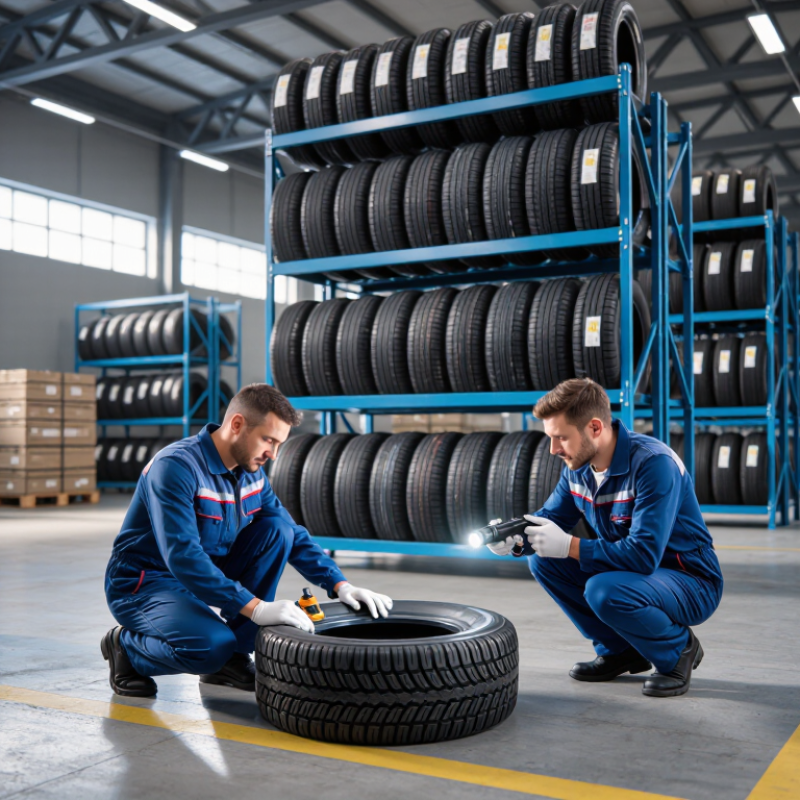
Quality used car tires should be sourced through clear, measurable standards. Define acceptable tread depth before contacting suppliers. A practical minimum may be 5 millimeters, depending on vehicle type and local requirements. Check for sidewall cracks, uneven wear, exposed cords, puncture repairs, and bead damage. Tires should also include readable size, load, speed, and production markings.
Sourcing requirements must reflect real driving conditions. Ask suppliers for inspection photos, storage details, production dates, and batch records. A dry warehouse with covered racks is safer than outdoor stacking under direct sunlight. Request random samples before approving a full shipment. Independent inspections can verify tread depth and identify hidden repairs. Documentation should support lawful import, sale, and recycling practices in the destination market.
Tips: Create a simple inspection sheet. Record every defect. Set a maximum tire age. Confirm packaging protects the sidewalls. Use traceable supplier contacts. Do not trust photographs alone. I have found that “excellent condition” often means different things to different sellers. My own standard may also be too strict for some regions, so it should be tested against customer needs, road conditions, and local regulations. A small trial order can reveal sorting problems before they become expensive.
Find Reliable Used Tire Suppliers in Global Markets
Finding reliable used tire suppliers in global markets requires more than comparing price lists. Supplier experience matters. Ask for batch-level records, including tire age, tread depth, storage conditions, repair history, and inspection dates. Request clear photos of sidewalls and beads, not only polished catalog images. A credible supplier should explain sorting grades and replacement policies in writing.
Industry data supports stronger verification. The U.S. Tire Manufacturers Association’s 2021 Scrap Tire Management Summary reported that 71% of scrap tires entered beneficial-use markets. This shows a large recovery network, but it does not guarantee export quality.
The European Tyre and Rim Technical Organisation recommends consistent testing practices for tire performance and dimensions. Use these principles when checking samples. Measure tread depth with a calibrated gauge. Inspect five to ten tires from each batch. One poor sample can expose weak sorting.
Small tests reveal more.
Before signing, verify the supplier’s business registration, warehouse address, export documentation, and customer references. Confirm that the proposed tire types match local vehicle requirements and import rules. International shipments may also require specific waste, safety, labeling, or quarantine documents. A low quote can hide disposal costs, customs delays, or unusable stock. The United Nations Environment Programme’s Global Resources Outlook 2024 notes that resource extraction could rise sharply by 2060, increasing pressure for responsible reuse. Used tires can support circular purchasing, but only with traceable grading and honest inspection. I would still keep a rejection allowance in every contract; even experienced suppliers cannot eliminate every defect.
Inspect Tread, Age, Repairs, and Overall Tire Condition
How to Source Quality Used Car Tires Worldwide?
When sourcing used car tires worldwide, inspect evidence, not attractive photographs. I use a tread-depth gauge across several points, including both shoulders. Uneven readings may indicate alignment problems or internal stress. Look for cuts, bulges, exposed cords, and cracking between tread blocks. Small surface marks are not always dangerous, but deep damage deserves rejection. Check the sidewalls carefully. A tire can look strong while hiding weakness near the bead.
Age matters as much as tread depth. Read the date code, then confirm how the tires were stored. Heat, sunlight, humidity, and long outdoor exposure can accelerate rubber deterioration. Ask for inspection photos, measurement records, and previous repair details. Repairs should be professionally completed from the inside, with no loose plugs or damaged areas nearby. Reject tires with multiple repairs, shoulder repairs, or punctures close to the sidewall. I once trusted a clean-looking image and missed dry cracking around the inner sidewall. That mistake changed my inspection process.
Overall condition also includes matching specifications, load capacity, and seasonal suitability. Compare markings with the vehicle’s requirements before buying. Use an independent inspector when distance prevents physical checks. Suppliers should provide consistent measurements, not vague claims. Keep records for each tire, including size, age, tread readings, repairs, and visible defects. Some judgment remains imperfect. Rubber can conceal damage, even after careful inspection.
Verify Safety Compliance, Documentation, and Supplier Reputation
Sourcing used car tires worldwide starts with traceable evidence, not attractive photographs. During inspections, record tire size, load index, speed rating, production date, tread depth, repairs, and sidewall damage. The DOT date code helps identify age, while regional rules may require additional markings. Never assume one certificate satisfies every market.
The 2023 U.S. Tire Manufacturers Association End-of-Life Tire Management Report stated that 71% of scrap tires reached end-use markets in 2021. That figure highlights both supply potential and screening risks.
Ask suppliers for inspection procedures, batch records, export documents, and test results for wet grip, casing strength, and air retention. A small sample should match the declared grade. It often does not.
Supplier reputation needs independent checking. Request customer references, factory audit reports, complaint rates, and photographs showing current inventory. Verify business registration through official databases, then compare documents against container labels and packing lists. The European Commission’s 2023 Safety Gate report recorded 3,412 product alerts across consumer markets, showing why paperwork alone is insufficient. I have seen neat documents conceal inconsistent tread measurements. That mistake is expensive. Use third-party inspections before payment, retain inspection photos, and confirm local disposal and resale requirements with the destination authority. Safety decisions should remain conservative, even when margins look attractive.
Compare Costs, Shipping Options, and Import Requirements
Sourcing quality used car tires worldwide starts with a clear cost comparison. A low unit price can hide inspection, loading, storage, and inland delivery fees. Ask suppliers for tread-depth records, production dates, repair history, and photographs of sidewalls. I prefer sample checks before ordering a full container. Pictures can miss bead damage. That mistake is expensive.
Shipping choice depends on volume, urgency, and destination facilities. Full-container shipping usually reduces the cost per tire, but it requires reliable warehouse planning. Consolidated cargo may suit smaller orders, although handling fees can rise quickly. Compare ocean freight, terminal charges, customs brokerage, insurance, and final-mile transport in one spreadsheet. Roll-on shipping can simplify loading, but space and port schedules may be limited. Transit estimates are not guarantees.
Import requirements vary by destination and tire category. Confirm whether the country permits used tires, retreadable casings, or only tires meeting specific safety standards. Check required documents, including commercial invoices, packing lists, certificates of origin, and inspection reports. Some authorities request cleaning evidence because soil and organic residue can create biosecurity concerns. Customs may also verify markings, dimensions, load ratings, and minimum tread depth. Work with a licensed customs professional and the relevant authority before payment. Rules change. I once underestimated port storage time, and the extra charges reduced the expected margin. A written landed-cost estimate is safer than relying on supplier promises.
How to Source Quality Used Car Tires Worldwide? - Compare Costs, Shipping Options, and Import Requirements
| Potential Sourcing Region | Typical Used-Tire Profile | Indicative FOB Cost per Tire (USD) |
Typical Export Packing | 20-Foot Container Planning Capacity |
Common Shipping Options | Indicative Ocean Freight to Major Import Hubs (USD) |
Import and Compliance Considerations |
|---|---|---|---|---|---|---|---|
| Western and Central Europe | Generally consistent passenger-car sizes; many units are removed during seasonal replacement. Verify tread depth, repairs, sidewall condition, and production date. | $18–$45 | Loose-loaded, paired, or palletized; export sorting usually adds cost but improves consistency. | Approximately 850–1,050 passenger tires, depending on size and loading method. | Full-container load for regular volume; consolidated cargo for trial orders. | Approximately $1,500–$4,000, depending on port pair, season, and equipment availability. | Confirm whether the destination allows used tires. Customs may require commercial invoices, packing lists, transport documents, tariff classification, and evidence that the tires are reusable rather than waste. |
| North America | Broad availability of common passenger and light-truck sizes; quality can vary considerably by collection channel and climate. | $15–$40 | Loose-loaded or sorted by size and tread category; moisture protection is recommended for long transit. | Approximately 800–1,000 passenger tires; larger light-truck tires reduce quantity. | Container shipping from coastal ports; rail or truck commonly connects inland collection points to port terminals. | Approximately $1,800–$5,000 to major overseas hubs, excluding inland transport and destination charges. | The importer should check destination restrictions on used tires, environmental fees, tire-registration requirements, and possible permits for used or end-of-life tire shipments. |
| Japan and South Korea | Often strong availability of passenger sizes with documented production dates; inspect for uneven wear, storage damage, and market-specific specifications. | $20–$50 | Sorted by size and condition; pallet or bundle loading is available for higher-grade lots. | Approximately 850–1,050 passenger tires. | Regular full-container service; consolidated shipments may be suitable for smaller test orders. | Approximately $900–$3,000 to nearby Asian hubs and $1,800–$4,500 to more distant destinations. | Check local rules on tire age, minimum tread depth, safety markings, and whether used tires are treated as products or controlled waste. |
| Australia and New Zealand | Mixed passenger and light-truck inventory; dry storage can support good condition, but inspection for cracking and weathering remains essential. | $22–$55 | Usually loose-loaded or bundled; clean, soil-free packaging is important for biosecurity clearance. | Approximately 750–950 passenger tires. | Full-container shipping is generally more economical than small consignments. | Approximately $1,500–$4,500 to Asian hubs and $2,000–$5,500 to other major markets. | Biosecurity inspection, cleanliness declarations, product condition records, and destination-specific used-tire import approvals may apply. |
| Middle East and Türkiye | Good access to common passenger sizes; high ambient temperatures make age, ozone cracking, storage conditions, and tread separation important inspection points. | $14–$38 | Bundles or loose-loaded containers; use ventilated, dry storage before shipment. | Approximately 850–1,050 passenger tires. | Full-container shipping; short-sea and regional feeder services may reduce inland transit. | Approximately $900–$3,500 to regional ports and $1,800–$4,500 to distant destinations. | Some markets restrict used tires entirely or require prior approval. Confirm customs classification, conformity documents, age limits, and environmental or recycling fees before purchase. |
| East and Southeast Asia | Wide range of passenger sizes and price levels; lot consistency depends heavily on sorting standards and inspection controls. | $10–$35 | Loose-loaded, bundled, or palletized; request separate counts by size, tread depth, and condition grade. | Approximately 850–1,100 passenger tires. | Regional feeder vessels, full-container loads, and consolidated cargo for smaller shipments. | Approximately $500–$2,500 within Asia and $1,500–$4,500 to distant markets. | Verify whether the destination accepts reusable used tires and not scrap tires. Import permits, inspection certificates, treatment records, and waste-shipment controls may be required. |
FAQS
Set a clear minimum, such as 5 millimeters. Measure across the center and both shoulders. Local rules may differ.
Reject tires with bulges, deep cuts, exposed cords, bead damage, or severe sidewall cracks. Do not overlook inner-sidewall damage.
Older rubber may weaken from heat, sunlight, humidity, and poor storage. Read the production date before purchase.
Use a tread-depth gauge at several points. Uneven readings may suggest alignment problems or internal stress.
Ask for complete repair details. Reject multiple repairs, shoulder repairs, loose plugs, and punctures near the sidewall.
Request inspection photos, measurement records, storage details, production dates, and batch records. Photos alone are not enough.
Prefer a dry warehouse with covered racks. Direct sunlight and outdoor stacking can accelerate rubber deterioration.
Order random samples before approval. A small trial shipment can reveal sorting problems early. My standard may still be too strict.
Confirm size, load capacity, speed rating, production markings, and seasonal suitability. Compare them with the vehicle’s requirements.
Use an independent inspector when distance prevents physical checks. Keep records of every tire and every visible defect.
Conclusion
Sourcing quality Used Car Tires worldwide requires a clear purchasing plan and consistent evaluation standards. Start by defining the required tire sizes, tread depth, production age, seasonal specifications, load ratings, and acceptable repair history. Then identify reliable suppliers through industry networks, trade platforms, referrals, and direct business communication. Before purchasing, inspect each tire for tread wear, uneven patterns, sidewall damage, cracking, punctures, improper repairs, and signs of aging. Detailed photos, inspection reports, and sample orders can help confirm quality before placing a larger order.
It is also important to verify safety compliance, product documentation, warehouse practices, and the supplier’s reputation. Buyers should compare the total cost, including tire prices, inspection fees, packaging, freight, insurance, customs duties, and other import requirements. Selecting suitable shipping methods and preparing accurate documentation can reduce delays and unexpected expenses. A careful sourcing process helps businesses obtain dependable Used Car Tires while managing quality, safety, logistics, and long-term supply stability.

Blog Tags: